Operation

Every Operation article of the Metal CNC Resources, newest first, each written from published standards, research and makers’ data.

In the Machine

The steps inside the machining center, walked in order. The work offset is set by a touch probe, the first part moves with the machine’s thermal drift, roughing and finishing passes take the stock to size, threads are milled or tapped, and the cutter leaves a burr at each hole exit. Each piece says what goes wrong and how it shows on the part.

Thread Milling and Tapping Internal Threads in Metal Step by Step

An internal thread is decided at the drill, so gauge the minor diameter, size the drill to the engagement, then tap or mill with the entry and feed checked.

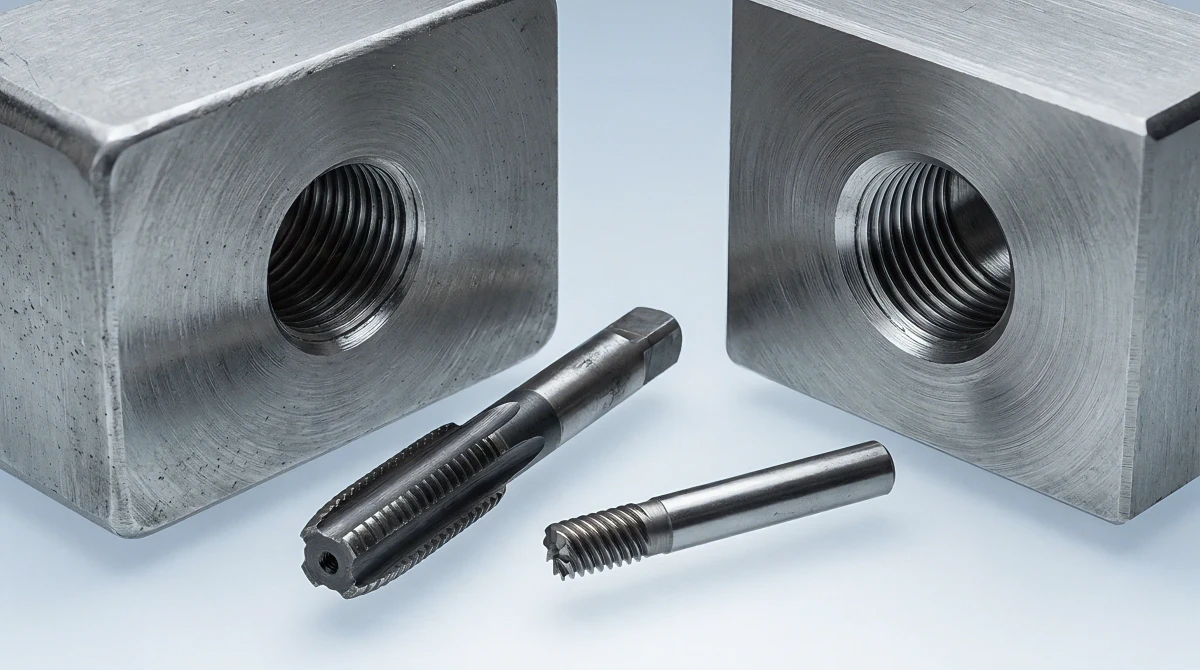
Tapping or Thread Milling for an Internal ThreadBoth methods start from the same drilled hole and end at the same gauge, and they differ in how the thread form gets into the wall. A tap cuts or forms the whole thread in one axial stroke, its size fixed by the tool.
Roughing and Finishing Passes in CNC Milling From Stock to Final Size

Rough to an even allowance, program the feed for the chip each pass really makes, and finish with a small constant depth so size depends on the tool, not the stock.

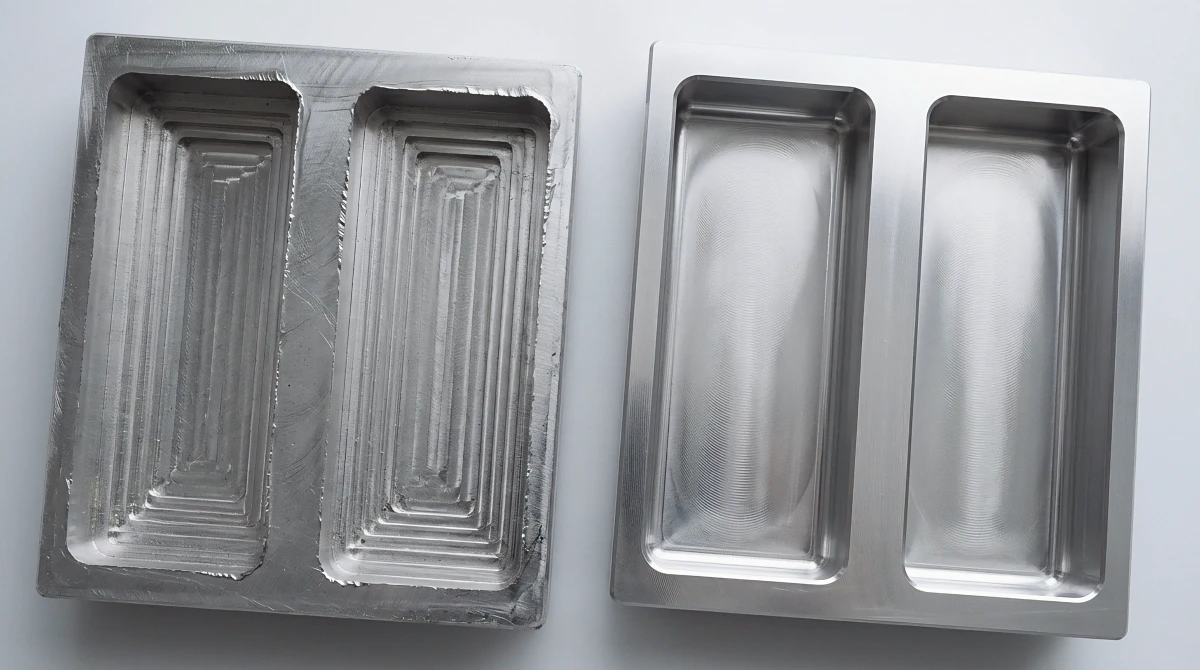
Roughing to Finishing in Milling, Pass by PassA milled part rarely reaches its size in one cut. The material is removed in stages, each with its own job, its own tool and its own engagement, and each leaves the next a predictable amount of stock.

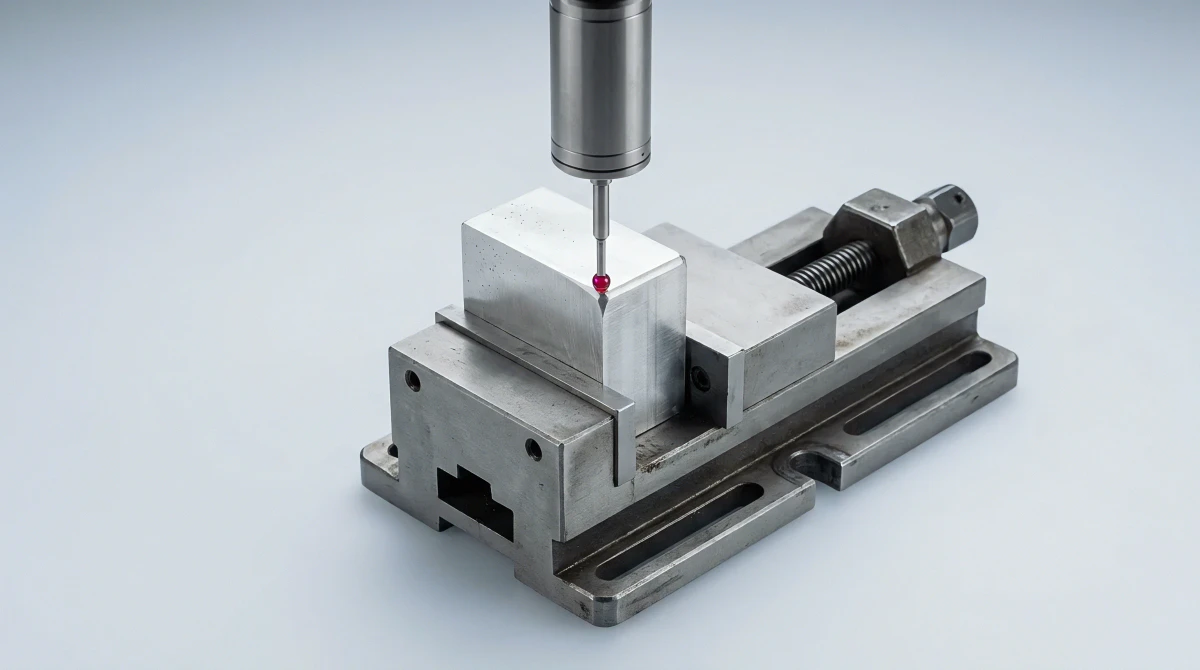
Setting Work Offsets With a Touch Probe Inside the Machine

A probe writes the part's datum into the work offset, so its calibration, its limits and its re-probe points decide how far the first parts can be trusted.

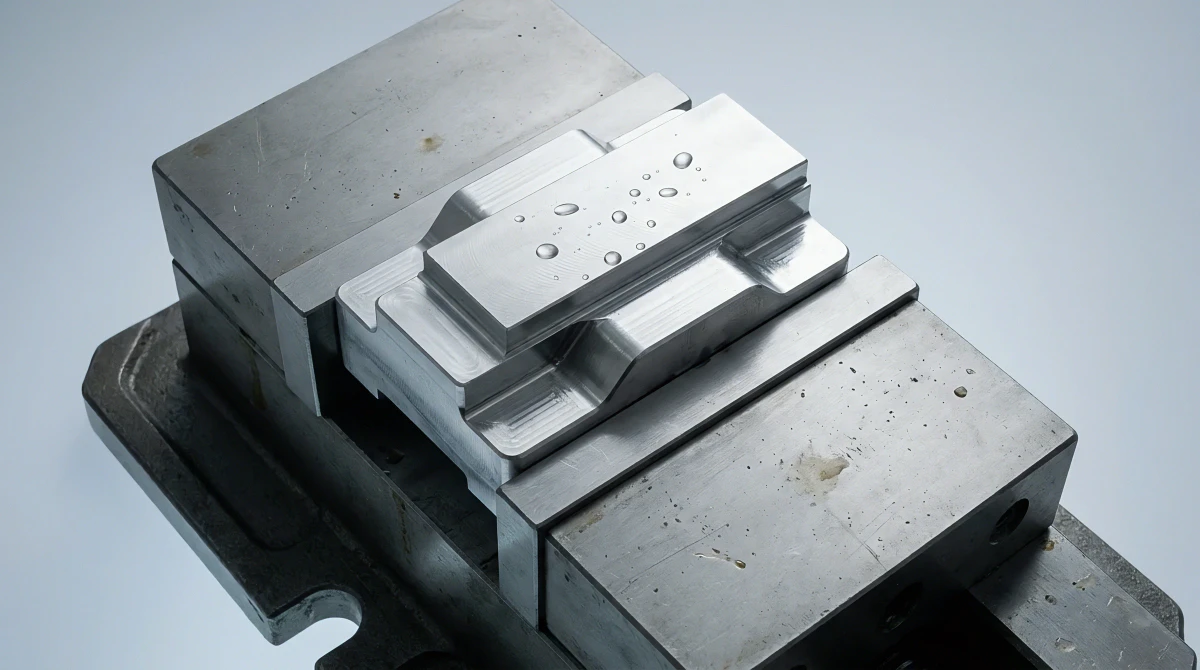
How a Probe Sets a Work Offset Before the First CutThe sequence on a machining center runs the same way for most parts. A probe is loaded in the spindle like a tool, and the control treats it as one.

Machining Center Thermal Drift and the Accuracy of the First Part

A ball screw grows with the heat of the work itself, so warm the machine at the production feed and check the datum before the first part counts.

Why a Cold Machine Cuts a Different Size Than a Warm OneA feed axis converts motor rotation to slide motion through a recirculating ball screw. When the control closes its position loop through a rotary encoder on the motor, the controlled quantity is the motor rotor position, and the slide position is inferred from the screw pitch.

How Burrs Form on Machined Aluminum and How They Come Off

A burr is the last chip, so its size follows the alloy, the temper and the tool, and a signed edge size on the drawing turns it into a measurement.

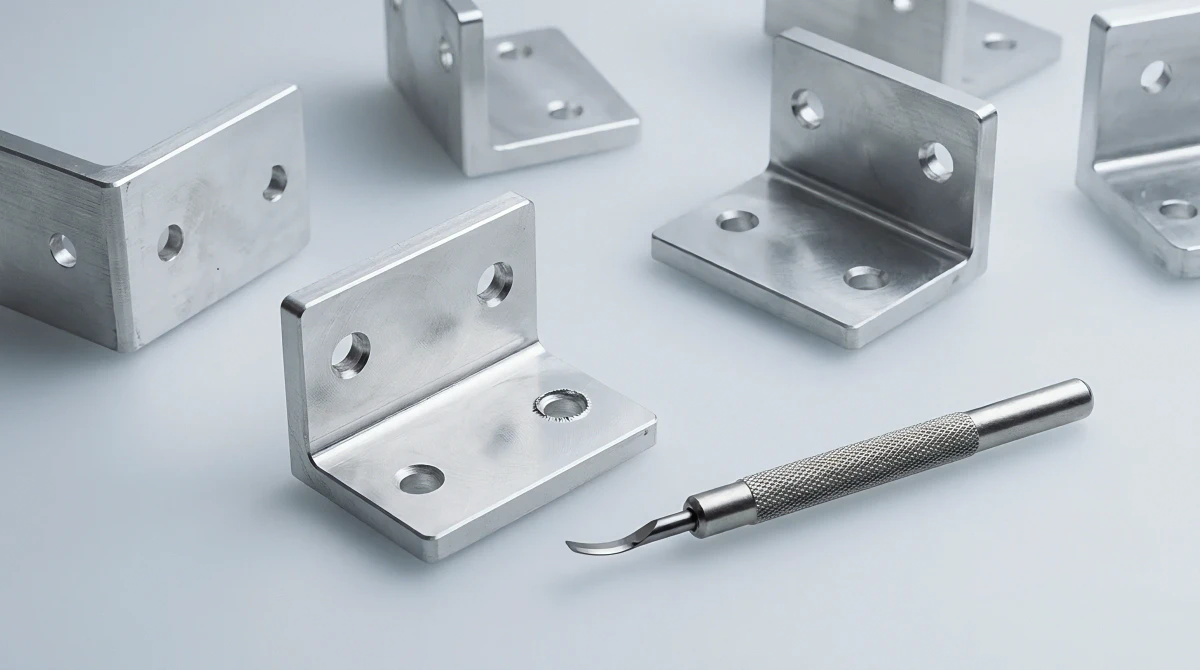
Why a Cutting Tool Leaves a Burr on AluminumA burr is a projection of material beyond the workpiece limits. Its opposite is a negative burr, a missing portion of the edge where material broke away instead of being pushed.

Request a Metal CNC Quote

Send the 2D drawing and the 3D file, with the quantity and the stage of the project. An engineer replies within 1 working day.

The quote form, the mutual NDA and the private folder for your files are on Protolis Atelier, with Metal CNC chosen.

Request a Quote