Standard

Every Standard article of the Metal CNC Resources, newest first, each written from published standards, research and makers’ data.

Callouts on the Drawing

The standards a machined metal drawing names, and what each one makes a supplier sign. ISO 2768 covers every dimension left without a tolerance, ISO 1302 and ASME Y14.36 write the surface texture, ASTM A967 sets the passivation of stainless steel, MIL-A-8625 turns the word anodized into a type and a class, and ASTM B117 is the salt spray test behind a finish.

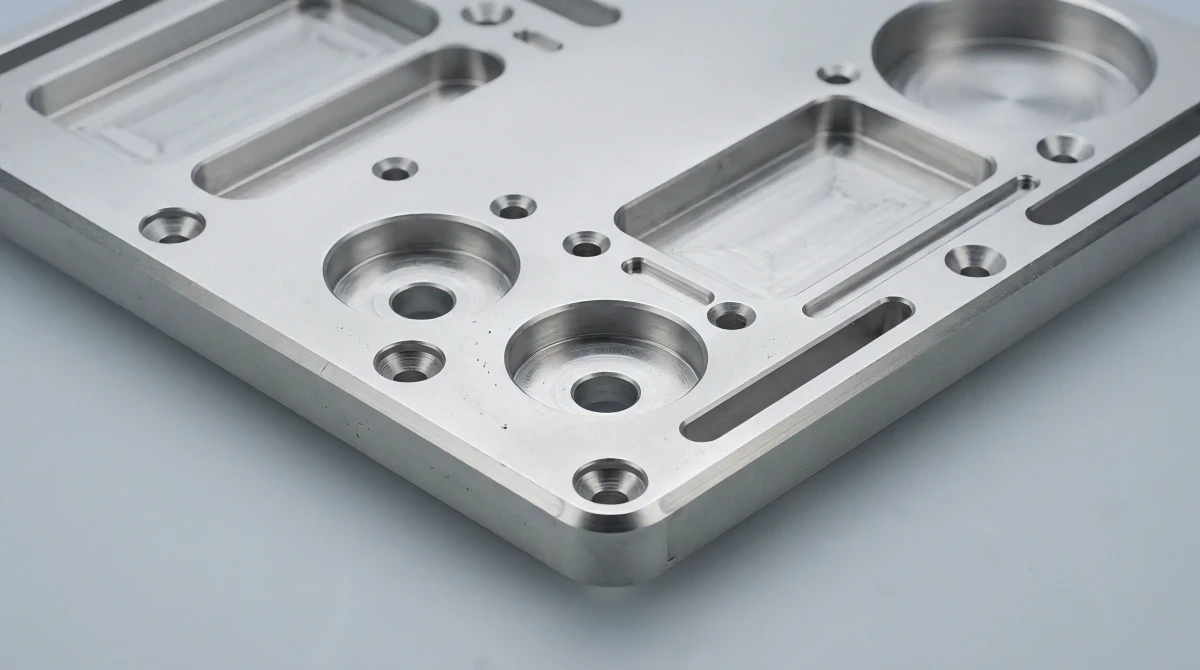
ISO 1302 and ASME Y14.36 Surface Texture Symbols on a Machined Part Drawing

A surface symbol is read against the edition it cites, and its parameter suffix, lay mark and empty positions decide how the face is cut and inspected.

Which Standard Governs a Surface Texture Symbol TodayThe ISO symbol on most drawings in circulation was drawn to ISO 1302:2002, and that edition is now withdrawn. ISO's own catalogue page lists ISO 1302:2002 as withdrawn and names ISO 21920-1:2021 as the new version.
ASTM B117 Salt Spray Testing of Anodized and Plated Machined Parts

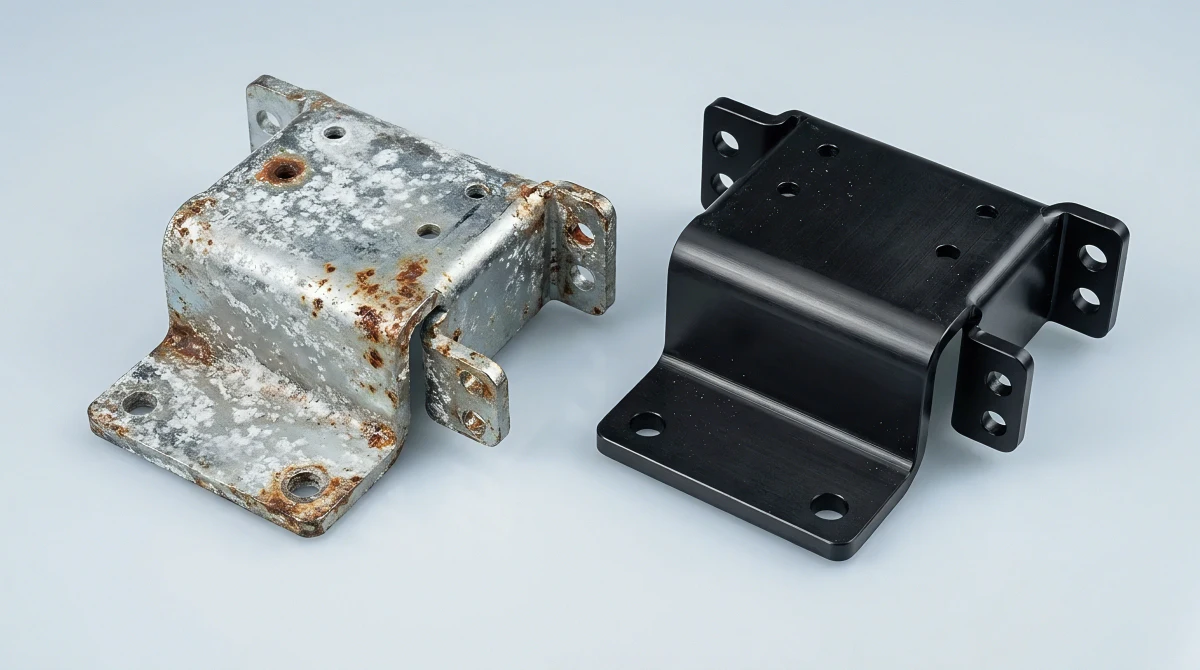
B117 sets the fog but not the hours, specimens or pass mark, so the order has to name the coating specification, the rating method and what was tested.

What ASTM B117 Controls and What It Leaves to the OrderASTM B117 is a practice for operating an apparatus. Its scope covers the equipment, the procedure and the conditions needed to create and keep a salt fog environment, and the apparatus it describes sits in an appendix.

MIL-A-8625 Anodizing Types and Classes for Machined Aluminum

MIL-A-8625 names the bath, color state, weight or thickness and sealing of an anodized coating, and each choice moves the size of a machined part.

What MIL-A-8625 Covers and What the Types MeanRevision F covers six types and two classes of electrolytically formed anodic coatings on aluminum and aluminum alloys for non-architectural uses. The types differ by the bath and the weight of the coating: Type I is conventional chromic acid anodizing, Type IB a low-voltage chromic acid process, Type IC a non-chromic acid process offered as a non-chromate alternative, Type II conventional sulfuric acid anodizing, Type IIB a thin sulfuric acid process that is also a non-chromate alternative, and Type III the hard anodic coating.

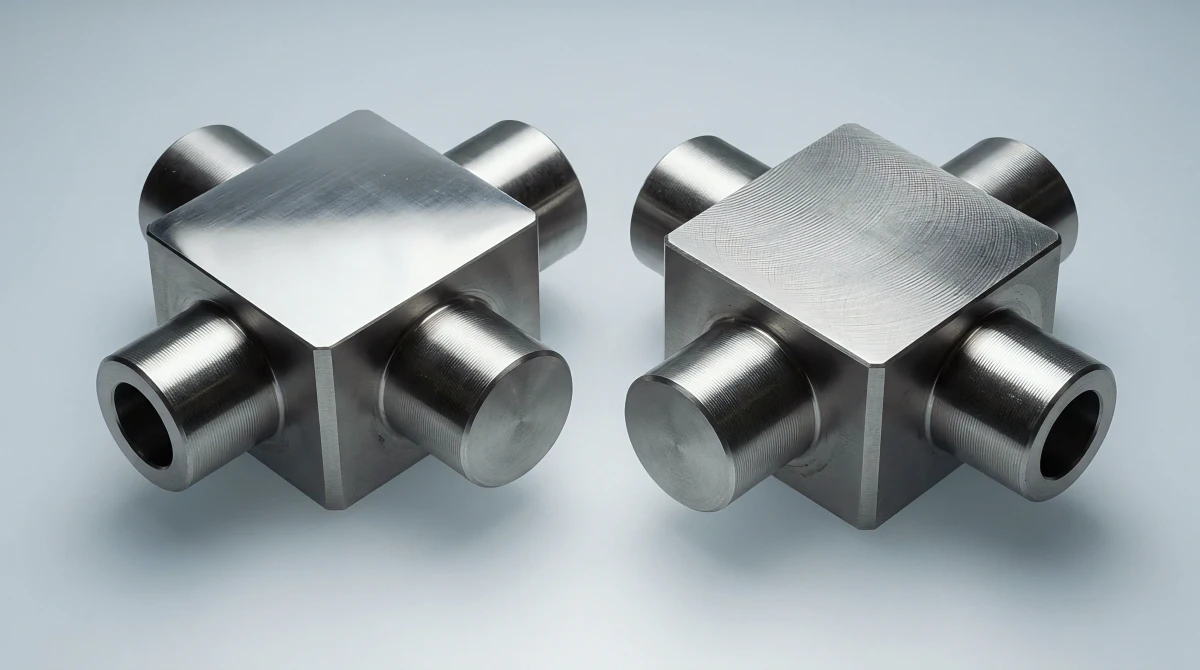
ISO 2768 General Tolerances for Machined Metal Parts

ISO 2768 sets a default band for every untoleranced size on a drawing, and the class letter in the title block decides how loose it is.

What ISO 2768 Covers and How a Drawing Calls ItThe standard comes in two parts. ISO 2768-1 sets general tolerances for linear and angular dimensions in four classes: f for fine, m for medium, c for coarse and v for very coarse.

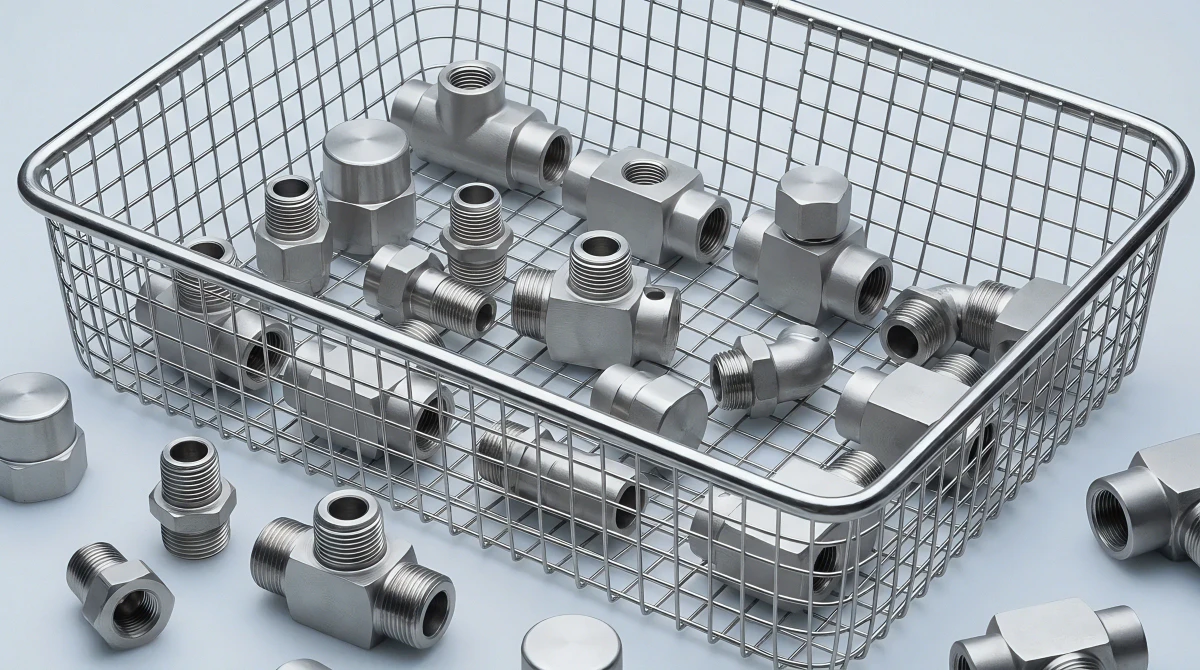
ASTM A967 Passivation for Machined Stainless Steel Parts

ASTM A967 names the baths and the lot tests for passivated stainless parts, and the drawing has to name the treatment, test and edition it wants.

What ASTM A967 Covers and What It Does NotASTM A967/A967M covers chemical passivation treatments for stainless steel parts, along with recommendations and precautions for descaling, cleaning and passivating. The abstract names three families of treatment: immersion in a nitric acid solution, immersion in a citric acid solution, and an electrochemical treatment.

Request a Metal CNC Quote

Send the 2D drawing and the 3D file, with the quantity and the stage of the project. An engineer replies within 1 working day.

The quote form, the mutual NDA and the private folder for your files are on Protolis Atelier, with Metal CNC chosen.

Request a Quote