Deburring

Deburring is the finishing step that removes burrs from a part's edges after the cut, by hand, abrasive, brush, machine or robot.

Every Deburring article of the Metal CNC Resources, newest first, each written from published standards, research and makers’ data.

Meaning

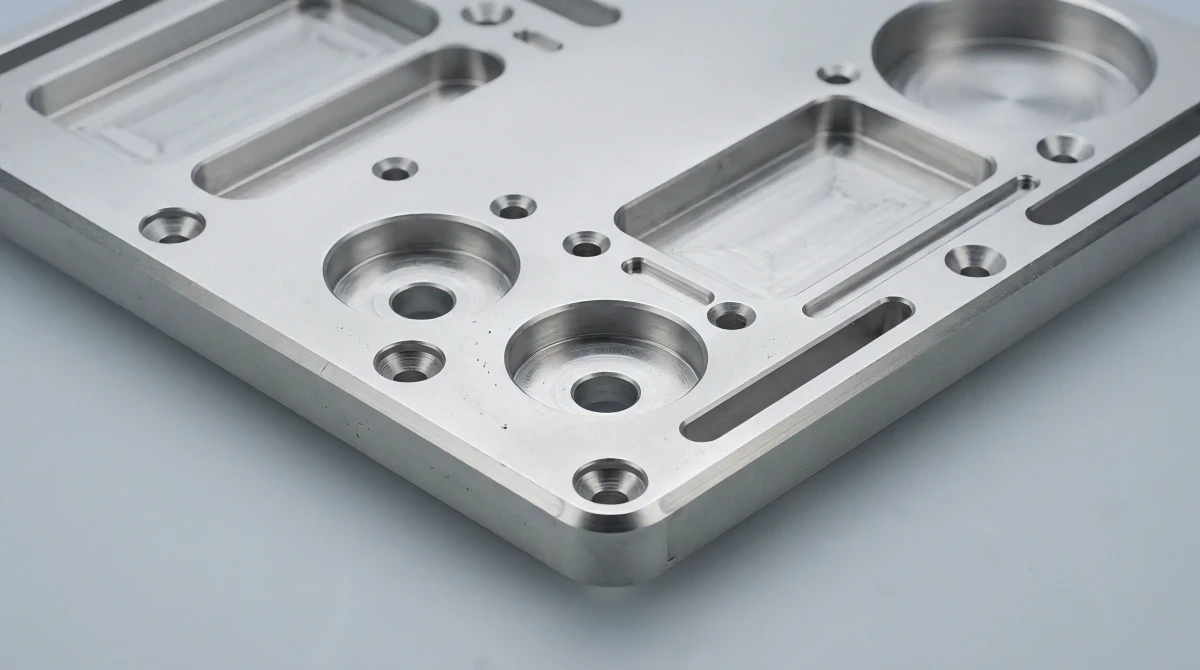
Deburring is the finishing step that removes burrs from a part’s edges after the cut, by hand, abrasive, brush, machine or robot. Gillespie, cited in the burr review, counted 122 deburring and edge finishing processes in four families. They are mechanical, thermal, chemical and electrical. Each method trades speed against a side effect that the part carries onward.

Methods

Manual deburring is the most widely used, for its flexibility and its need for no special technology. Done dry by unqualified operators, it brings wasted time, fatigue and inconsistent results. Bonded abrasives suit heavy stock removal but bring dust, new burrs and effects on residual stress. Brush deburring is flexible and was shown on 6061-T6 in the review. In the machining center, a brush or cutter in the tool holder deburrs in the same setup. Five-axis robots with compliant tools remove most burrs, but not all.
Read More

Side Effects

Every deburring step changes the part too. A brush that rounds an edge by a few tenths of a millimeter has altered a feature. Brush deburring can also create new burrs, change part size and affect fatigue life and residual stress. The edge callout on the drawing decides whether such a change is acceptable.

Limits on the Edge

ISO 2768-1 limits the chamfer heights and external radii that deburring leaves in a table of its own. For edges from 0.5 to 3 mm (0.02 to 0.12 in.), classes f and m allow ±0.2 mm (0.008 in.). ISO 13715 gives the signed edge size that a shop can deburr to and an inspector can measure.

Place in the Sequence

ASTM A967 places passivation after the last cut and the deburring. Scale, tint and debris from deburring then come off in the cleaning before the bath.
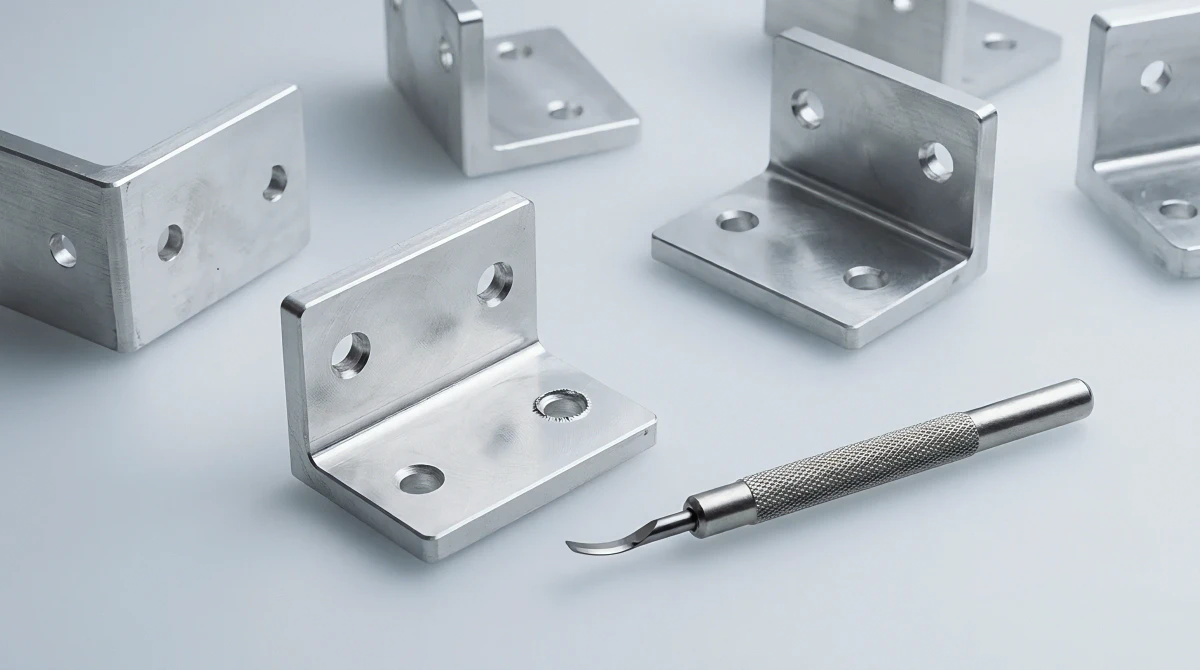
How Burrs Form on Machined Aluminum and How They Come Off

A burr is the last chip, so its size follows the alloy, the temper and the tool, and a signed edge size on the drawing turns it into a measurement.

Why a Cutting Tool Leaves a Burr on AluminumA burr is a projection of material beyond the workpiece limits. Its opposite is a negative burr, a missing portion of the edge where material broke away instead of being pushed.

ISO 2768 General Tolerances for Machined Metal Parts

ISO 2768 sets a default band for every untoleranced size on a drawing, and the class letter in the title block decides how loose it is.

What ISO 2768 Covers and How a Drawing Calls ItThe standard comes in two parts. ISO 2768-1 sets general tolerances for linear and angular dimensions in four classes: f for fine, m for medium, c for coarse and v for very coarse.

ASTM A967 Passivation for Machined Stainless Steel Parts

ASTM A967 names the baths and the lot tests for passivated stainless parts, and the drawing has to name the treatment, test and edition it wants.

What ASTM A967 Covers and What It Does NotASTM A967/A967M covers chemical passivation treatments for stainless steel parts, along with recommendations and precautions for descaling, cleaning and passivating. The abstract names three families of treatment: immersion in a nitric acid solution, immersion in a citric acid solution, and an electrochemical treatment.

Request a Metal CNC Quote

Send the 2D drawing and the 3D file, with the quantity and the stage of the project. An engineer replies within 1 working day.

The quote form, the mutual NDA and the private folder for your files are on Protolis Atelier, with Metal CNC chosen.

Request a Quote