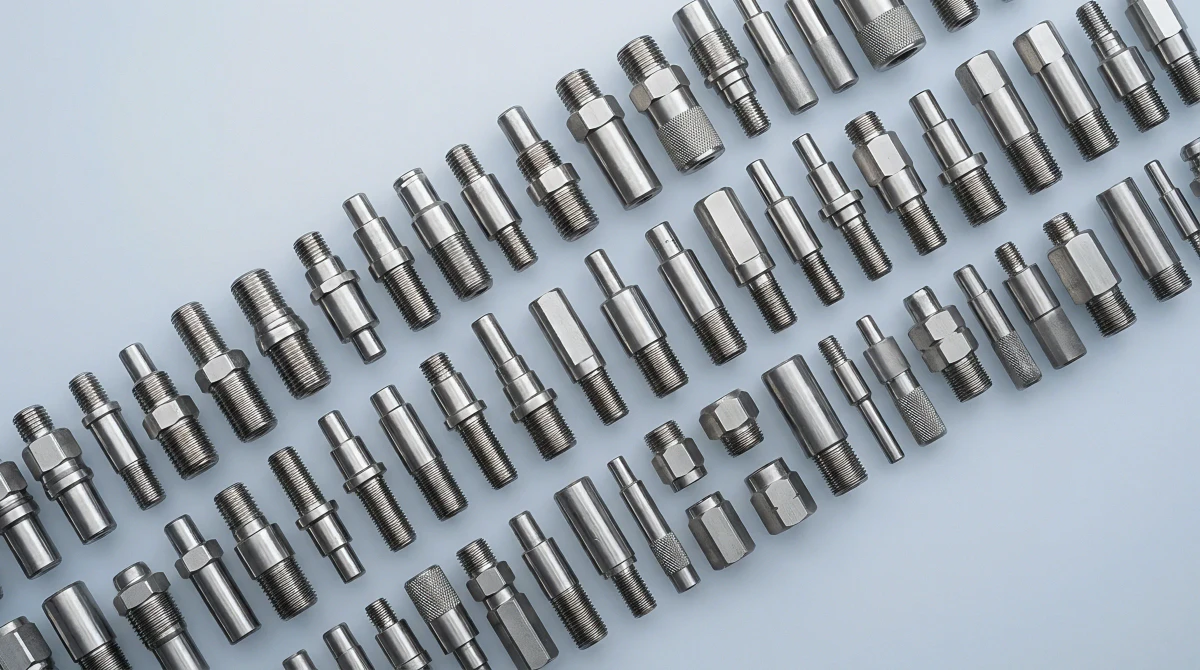
Drill

A drill is a rotating cutting tool with a pointed tip that makes a round hole from solid metal.

Every Drill article of the Metal CNC Resources, newest first, each written from published standards, research and makers’ data.

Meaning

A drill is a rotating cutting tool with a pointed tip that makes a round hole from solid metal. Its diameter sets the hole, and its exit sets the burr. In a tapped hole, the drill also sets the minor diameter of the finished thread.

Cutting Data

In 303, Ugitech runs a 6.35 mm (1/4 in.) high-speed drill at 18.3 to 32.0 m/min (60 to 105 sfm). Its feed is 0.114 mm/rev (0.0045 in./rev). A 19.05 mm (3/4 in.) drill runs at 22.9 m/min (75 sfm) and 0.140 mm/rev (0.0055 in./rev). The typical stock removal rate for Ti-6Al-4V bar is 9.1 m/min (30 sfm), 46 % of that 303 drill speed. On a turned shaft, the drill is one tool in the list, with its own life.
Read More

Size for Tapping

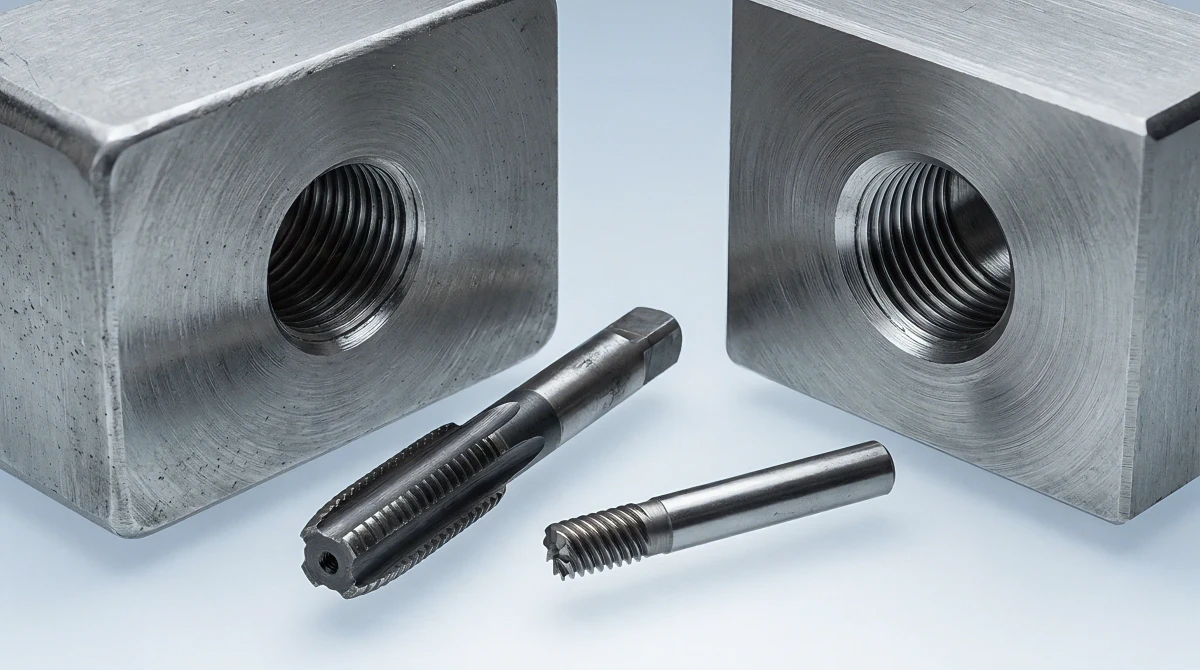
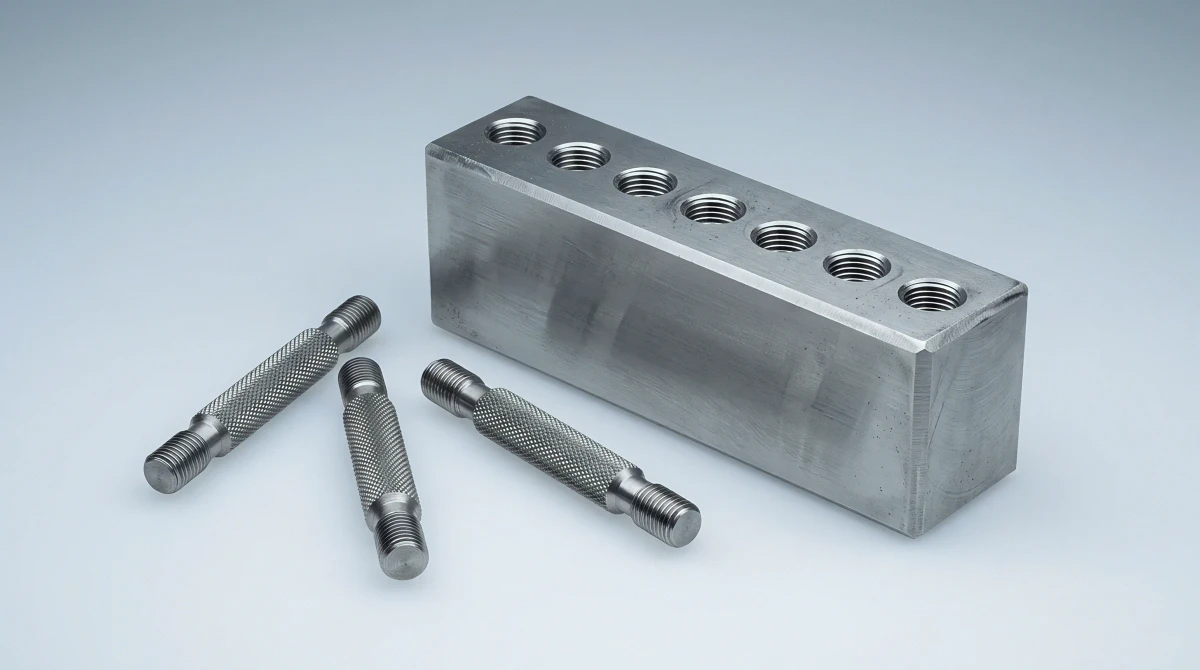
The conventional tapping drills fit inside the ISO 965 class 6H windows for the minor diameter. M3 × 0.5 takes 2.5 mm (0.098 in.), and M6 × 1 takes 5.0 mm (0.197 in.). M8 × 1.25 takes 6.8 mm (0.268 in.), M10 × 1.5 takes 8.5 mm (0.335 in.) and M12 × 1.75 takes 10.2 mm (0.402 in.). A drilled hole a few hundredths oversize stays in the band. A drill worn below the lower limit leaves more metal for the tap.

Exit Burr

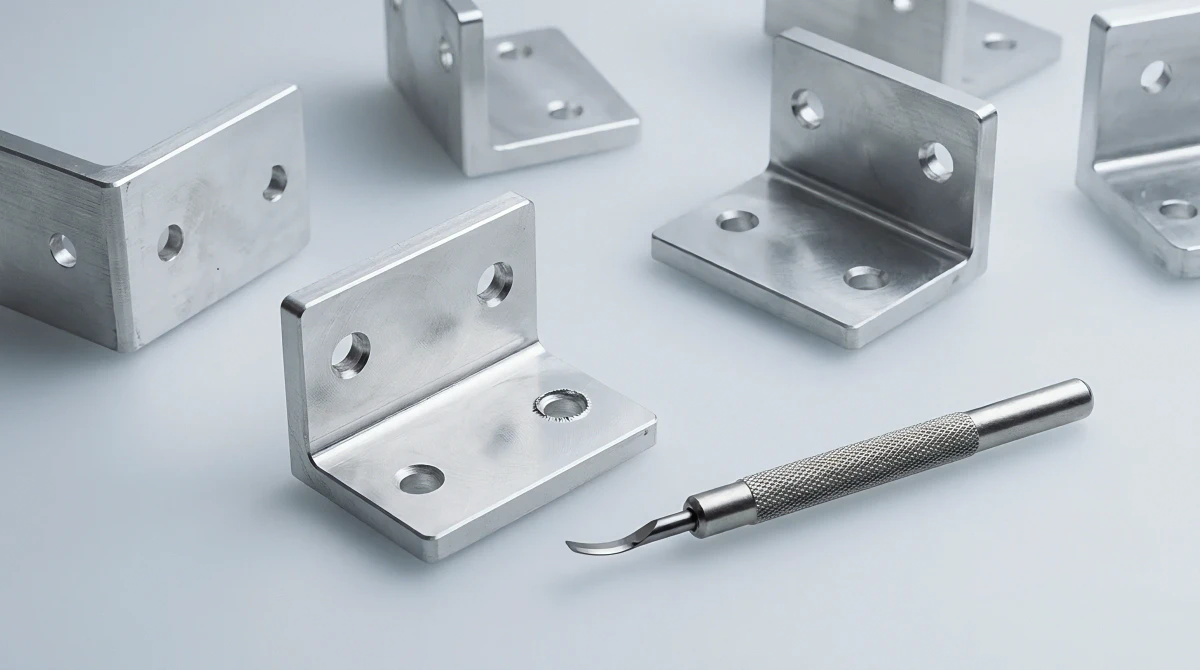
The burr where a drill leaves the part is larger than the entrance burr and the hardest to remove. In aluminum tests from 91.44 to 274.32 m/min (300 to 900 sfm), burr height fell as speed rose. Lower feed gave a taller burr. One cited study found that a drill diameter of 8 to 10 mm (0.31 to 0.39 in.) gave low burr height. The A356 case study used an uncoated high-speed steel drill of 9.525 mm (3/8 in.) with a 118° point.
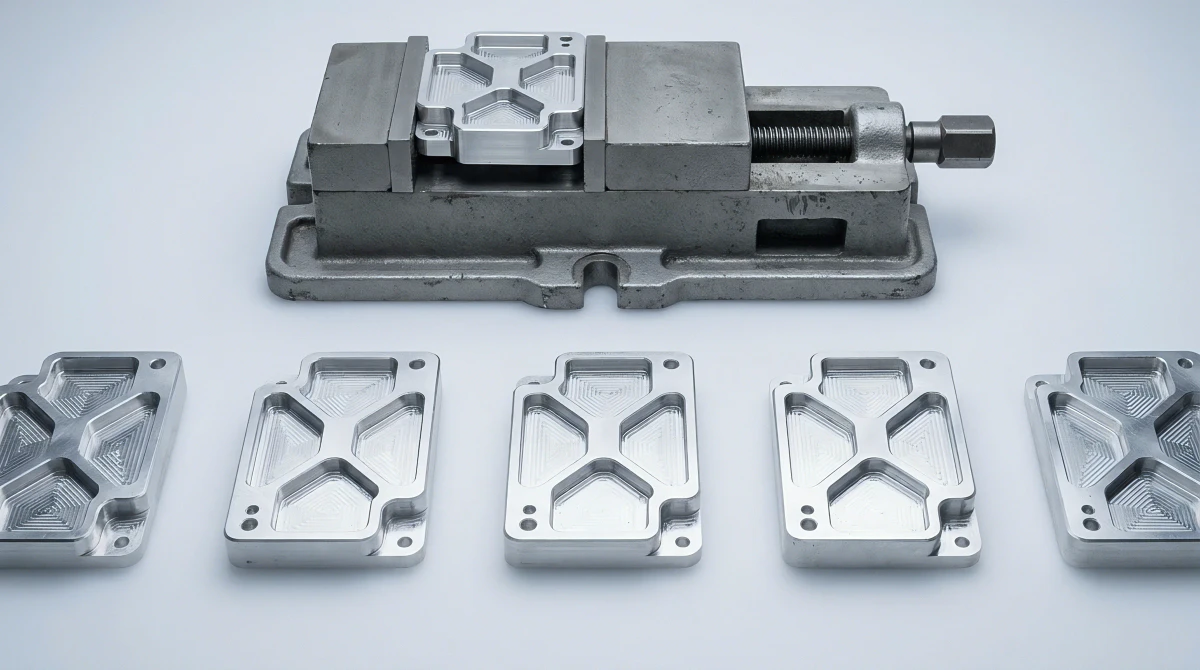
Cycle Time of a Machined Part From Program to Time per Part

Time per part is cutting, moving, changing and handling plus the lot's share of setup, so check what a quoted cycle time includes before comparing.

What Makes Up the Cycle Time of a Machined PartA CNC program's time has three machine components. Autodesk's help for the machining time tool in its CAM software defines the estimate as the sum of feed time, the time for non-cutting traverse moves at the machine's fastest rate, and tool-change time, and it reports each with its distance and the number of tool changes.

Thread Milling and Tapping Internal Threads in Metal Step by Step

An internal thread is decided at the drill, so gauge the minor diameter, size the drill to the engagement, then tap or mill with the entry and feed checked.

Tapping or Thread Milling for an Internal ThreadBoth methods start from the same drilled hole and end at the same gauge, and they differ in how the thread form gets into the wall. A tap cuts or forms the whole thread in one axial stroke, its size fixed by the tool.

Machining C36000 Free-Cutting Brass for Turned Parts

C36000 cuts so freely that spindle speed, chip control and finish usually set the cycle, so name the temper, the specification and any later joining on the order.

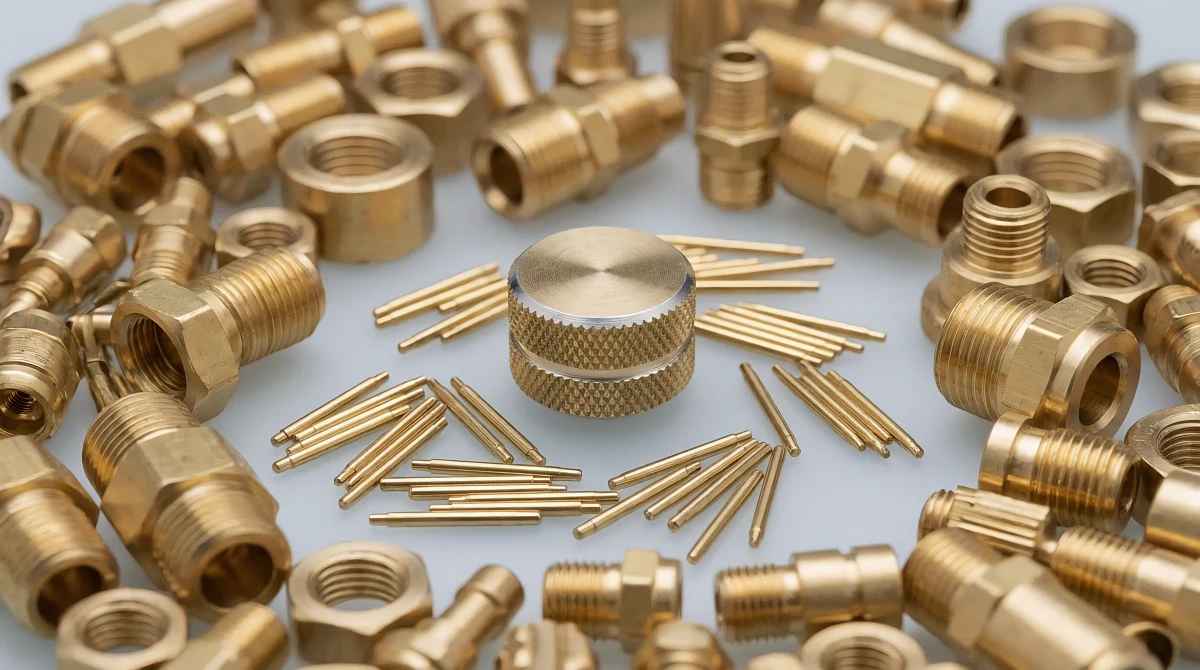
What Makes C36000 the Reference Brass for Turned PartsC36000 is a leaded copper-zinc alloy built to be cut. The Copper Development Association's data page gives its composition as 60.0 to 63.0 % copper, 2.5 to 3.0 % lead, iron at 0.35 % maximum and zinc as the remainder, with copper plus the named elements at 99.5 % minimum.

How Burrs Form on Machined Aluminum and How They Come Off

A burr is the last chip, so its size follows the alloy, the temper and the tool, and a signed edge size on the drawing turns it into a measurement.

Why a Cutting Tool Leaves a Burr on AluminumA burr is a projection of material beyond the workpiece limits. Its opposite is a negative burr, a missing portion of the edge where material broke away instead of being pushed.

ISO 965 6H Tolerance for Tapped Holes in Machined Metal

A 6H tapped hole has a band measured in hundredths of a millimeter, and a coating can use up most of it before the part is checked.

What 6H Means on a DrawingISO 965-1 sets the system for ISO general purpose metric screw threads. A tolerance class is written as a figure for the tolerance grade followed by a letter for the tolerance position, a capital letter for an internal thread and a small letter for an external one.

Machining 303 and 316 Stainless Steel

Stainless grade choice for a machined part is a trade between how freely it cuts and how well it resists the environment it works in.

Choosing 303 or 316 for a Machined Stainless PartThe choice sits on one trade. 303 is the free-machining modification of the basic 18 % chromium, 8 % nickel stainless, and it is produced to cut well.

Request a Metal CNC Quote

Send the 2D drawing and the 3D file, with the quantity and the stage of the project. An engineer replies within 1 working day.

The quote form, the mutual NDA and the private folder for your files are on Protolis Atelier, with Metal CNC chosen.

Request a Quote