Salt Spray Test

A salt spray test exposes specimens to a salt fog for a set time and judges the corrosion they show.

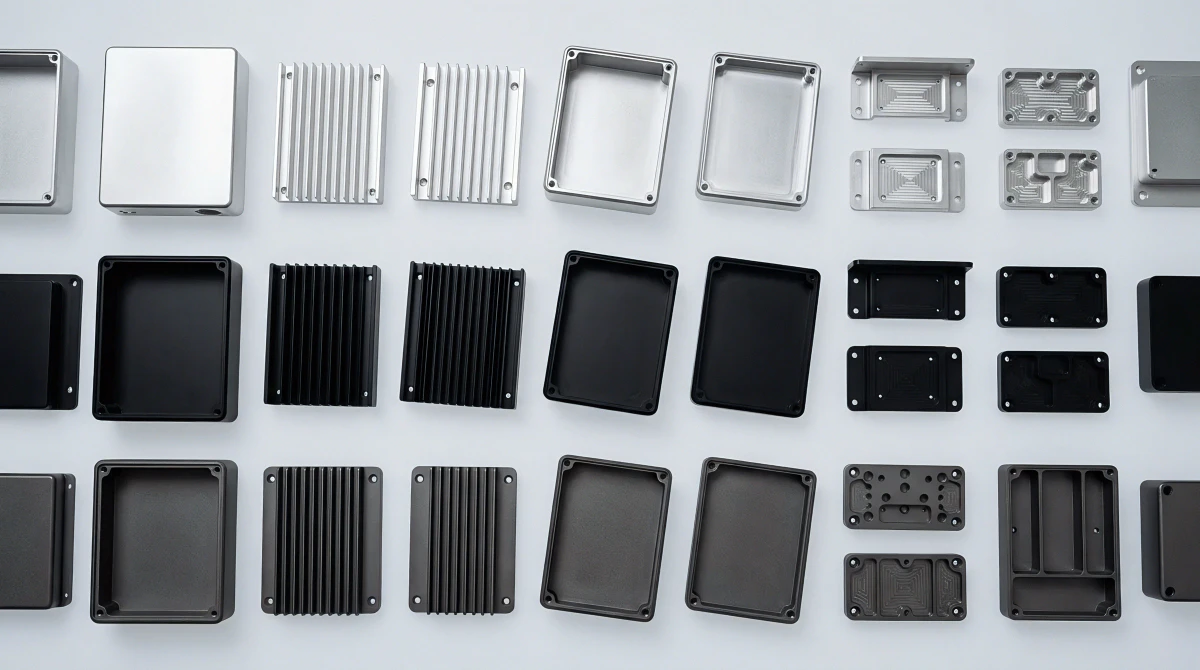
Every Salt Spray Test article of the Metal CNC Resources, newest first, each written from published standards, research and makers’ data.

Meaning

A salt spray test exposes specimens to a salt fog for a set time and judges the corrosion they show. It is the acceptance test for anodic coatings under MIL-A-8625. Under ASTM A967 it is one of several qualitative practices for passivated parts. It is a comparison under fixed conditions, not a prediction of service life.

Anodize Criteria

MIL-A-8625 exposes specimens to 5 % salt spray under ASTM B117, inclined 6 degrees from vertical, for 336 hours. The specimens may show no more than 15 isolated pits in 0.097 m² (150 in²) of test area from five or more pieces. No pit may be larger than 0.8 mm (0.031 in.). From one or more pieces, no more than 5 pits are allowed in 0.019 m² (30 in²). Type I and IB specimens also may not show patchy dark gray areas, which the design notes read as coating degradation.
Read More

Passivation Practice

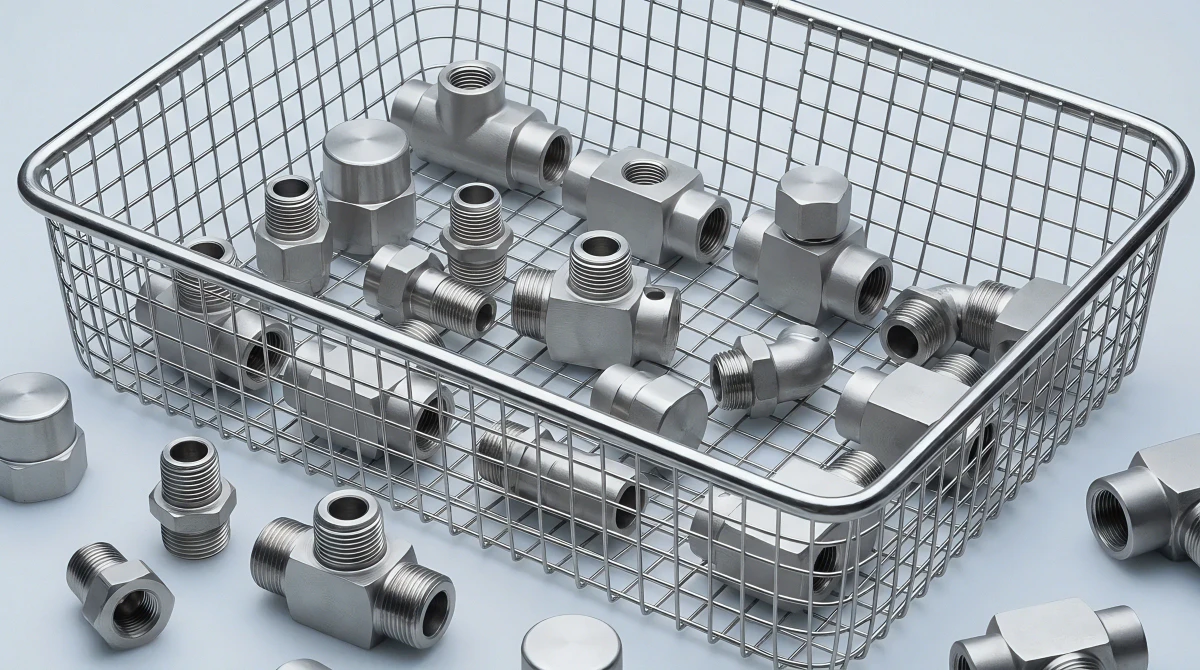
ASTM A967 lists the salt spray test as Practice C in both the 2005 and 2025 listings. The tests confirm that free iron and other foreign matter have been removed, and the summaries describe them as qualitative. A salt spray test takes longer than a copper sulfate test. A part that has to ship soon may favor the shorter test, and the standard does not rank them.

Reading a Result

A pass on a passivation practice shows a clean surface, not a corrosion rating. An anodizer, by contrast, reports salt spray hours with weight and thickness. Carpenter rates 303 stainless only moderate in salt spray, so the grade matters as much as the finish.
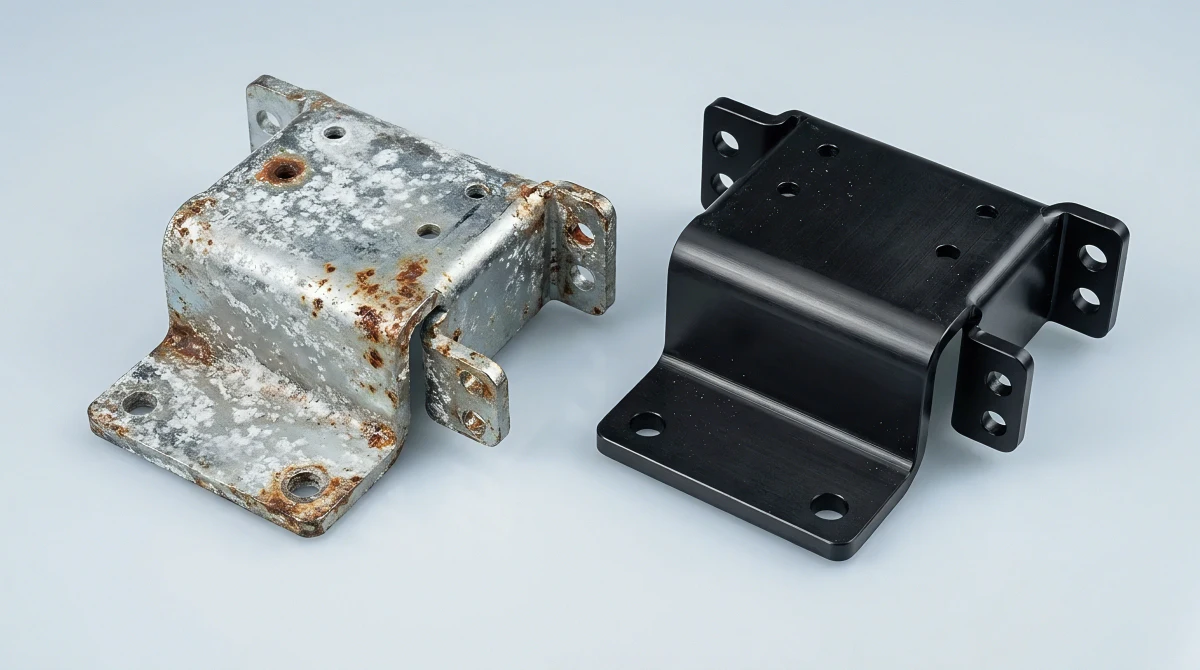
ASTM B117 Salt Spray Testing of Anodized and Plated Machined Parts

B117 sets the fog but not the hours, specimens or pass mark, so the order has to name the coating specification, the rating method and what was tested.

What ASTM B117 Controls and What It Leaves to the OrderASTM B117 is a practice for operating an apparatus. Its scope covers the equipment, the procedure and the conditions needed to create and keep a salt fog environment, and the apparatus it describes sits in an appendix.

MIL-A-8625 Anodizing Types and Classes for Machined Aluminum

MIL-A-8625 names the bath, color state, weight or thickness and sealing of an anodized coating, and each choice moves the size of a machined part.

What MIL-A-8625 Covers and What the Types MeanRevision F covers six types and two classes of electrolytically formed anodic coatings on aluminum and aluminum alloys for non-architectural uses. The types differ by the bath and the weight of the coating: Type I is conventional chromic acid anodizing, Type IB a low-voltage chromic acid process, Type IC a non-chromic acid process offered as a non-chromate alternative, Type II conventional sulfuric acid anodizing, Type IIB a thin sulfuric acid process that is also a non-chromate alternative, and Type III the hard anodic coating.

ASTM A967 Passivation for Machined Stainless Steel Parts

ASTM A967 names the baths and the lot tests for passivated stainless parts, and the drawing has to name the treatment, test and edition it wants.

What ASTM A967 Covers and What It Does NotASTM A967/A967M covers chemical passivation treatments for stainless steel parts, along with recommendations and precautions for descaling, cleaning and passivating. The abstract names three families of treatment: immersion in a nitric acid solution, immersion in a citric acid solution, and an electrochemical treatment.

Request a Metal CNC Quote

Send the 2D drawing and the 3D file, with the quantity and the stage of the project. An engineer replies within 1 working day.

The quote form, the mutual NDA and the private folder for your files are on Protolis Atelier, with Metal CNC chosen.

Request a Quote