Meaning
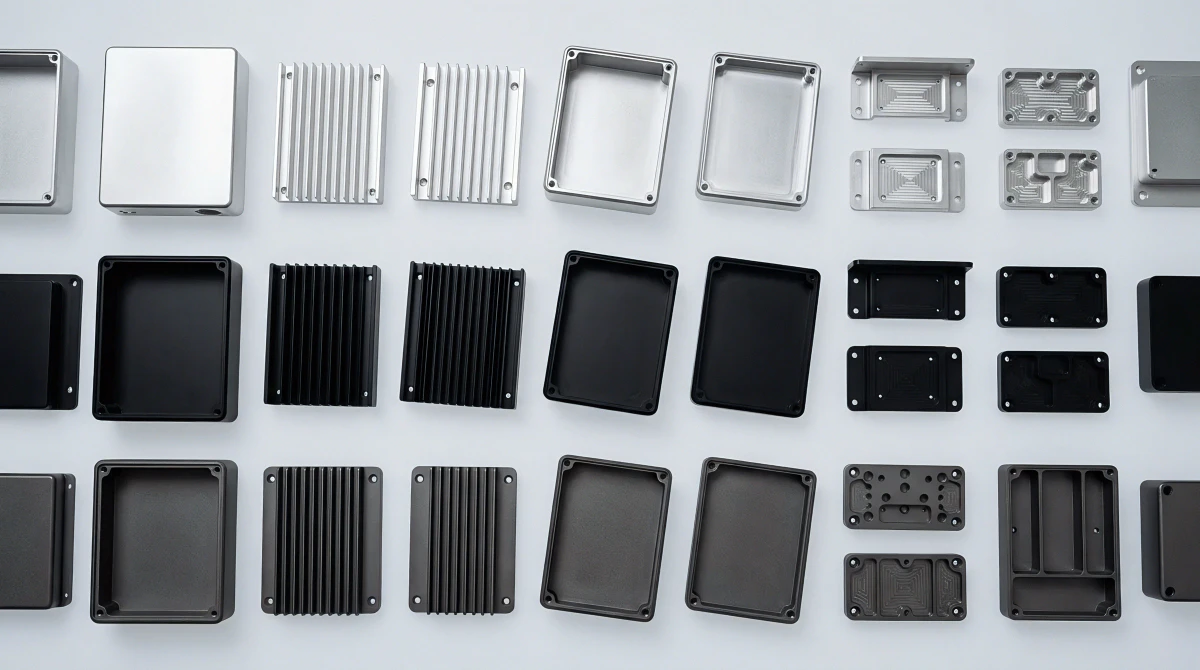
Anodizing is an electrolytic process that grows an anodic coating out of an aluminum surface, which is then dyed, sealed or left as formed. Because the coating grows from the metal, it changes every coated size. On a machined part it is a special process, done after the last cut by a supplier who needs the buyer’s approval. MIL-A-8625 is the standard most often named for it.Types and Classes
MIL-A-8625F defines six types by bath and coating weight. Type I is chromic acid, Type II sulfuric acid and Type III the hard anodic coating. Types IB, IC and IIB are low-voltage, non-chromic and thin sulfuric variants. Class 1 is not dyed, and Class 2 is dyed or pigmented to a color the order states.Read More
Place in the Sequence
Parts are anodized after all heat treatment, machining, welding, forming and perforating are complete. Assemblies that would trap electrolyte in joints or recesses are not anodized as assemblies. The supplier chooses the process conditions unless the drawing says otherwise.Edges
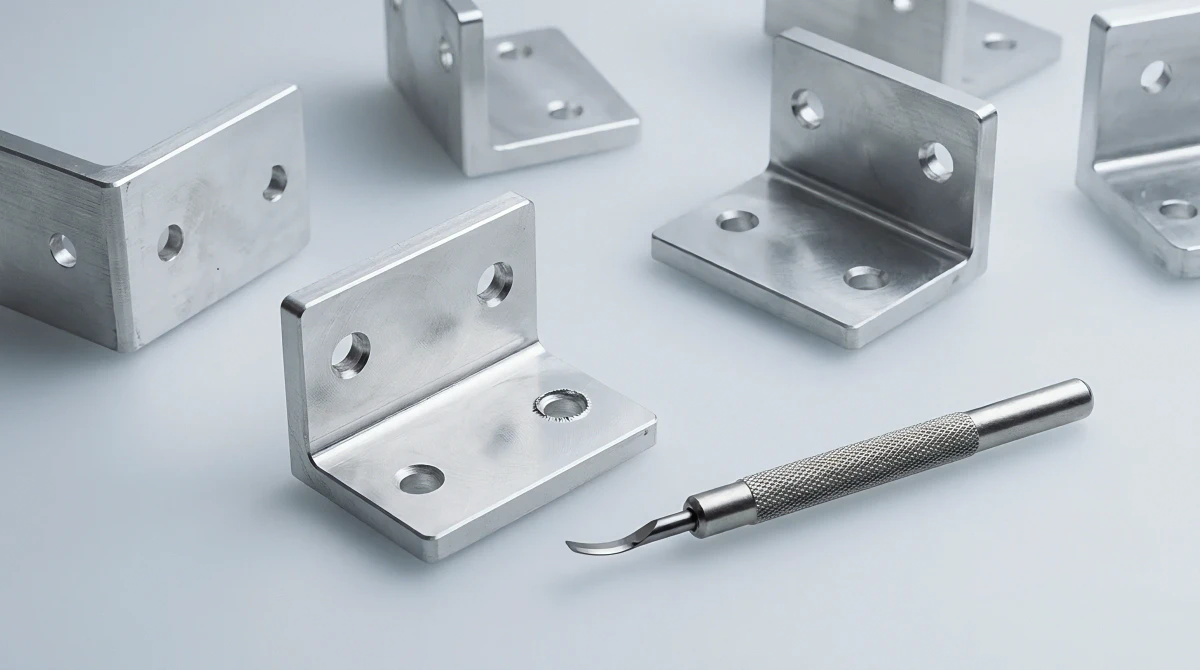
An anodic coating develops voids at sharp corners and edges. MIL-A-8625 asks for all edges and inside corners to be radiused before anodizing. The burr review raises the same point from the machining side: an edge radius may also have to hold a coating.Fatigue
The standard states that anodic coatings can severely reduce the fatigue properties of aluminum alloys. As a general rule, the thicker the coating, the greater the reduction. Types I and IB are used on fatigue-critical parts because of their thinness.Approval
In a first article inspection, anodizing belongs on Form 2 with a traceable certificate number. GKN Aerospace asks for verification of the actual coating thickness. Lockheed Martin UK rejects a report whose special processor the buyer has not approved.