Corrosion Resistance

Corrosion resistance is how well a metal or coating keeps its surface intact in a given environment, judged by tests such as salt spray.

Every Corrosion Resistance article of the Metal CNC Resources, newest first, each written from published standards, research and makers’ data.

Meaning

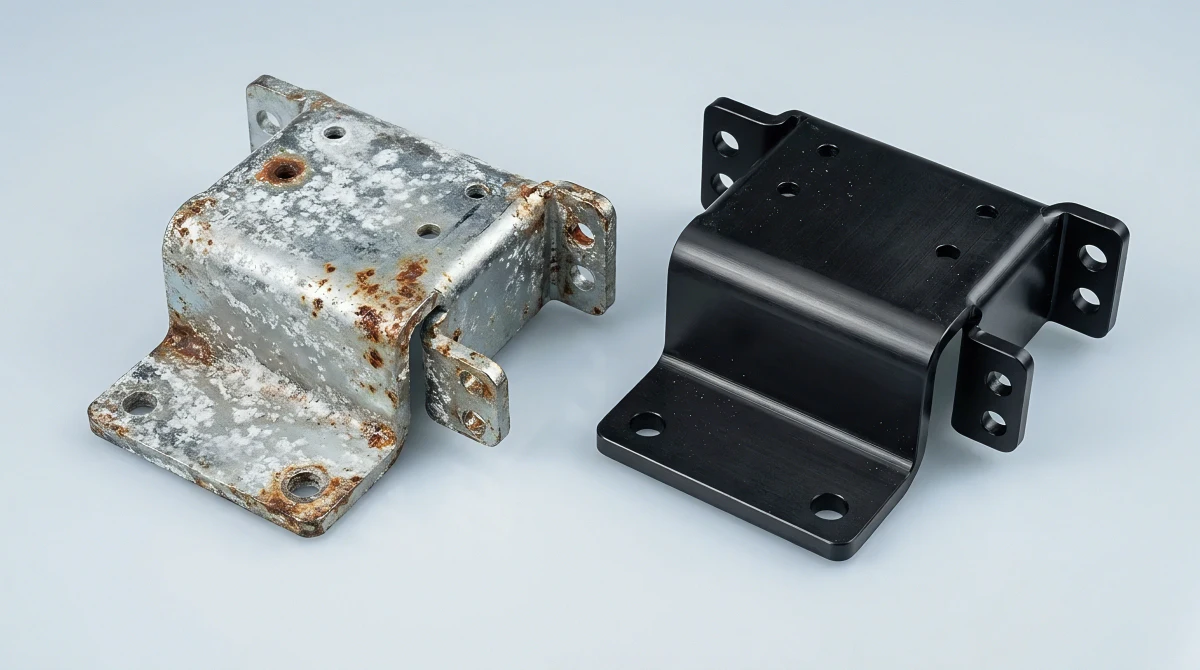
Corrosion resistance is how well a metal or coating keeps its surface intact in a given environment, judged by tests such as salt spray. It belongs to the grade, the surface condition and the environment together. A clean surface resists better than the same grade with scale or iron left on it.

Stainless Grades

Carpenter rates 303 moderate against several acids and in salt spray, restricted in seawater and excellent only in humidity. Cleveland-Cliffs writes that molybdenum gives 316 improved chloride corrosion resistance compared with 304. It also raises its resistance to chloride pitting. Grade 316 is the most commonly used austenitic stainless steel in the chemical process industry. A drawing names the environment in one line, so the grade is checked against the service and not the habit.
Read More

Passive Film

Passivation under ASTM A967 accelerates the formation of the passive film on a chemically clean surface. Carpenter states that the best corrosion resistance needs surfaces free of scale, lubricants and foreign particles. The tests that follow passivation are qualitative, and none of them is a corrosion rating.

Anodic Coatings

MIL-A-8625 intends Types I, IB and II to improve corrosion protection under severe service or to serve as a paint base. Coated specimens face 336 hours of 5 % salt spray to ASTM B117. They may show no more than 15 isolated pits in 0.097 m² (150 in²) of test area. Type III is not sealed where wear resistance is its main function, and is sealed for corrosion only when the order asks. Where corrosion resistance needs it, the designer also requires thread and hole sealing in later assemblies.

ASTM B117 Salt Spray Testing of Anodized and Plated Machined Parts

B117 sets the fog but not the hours, specimens or pass mark, so the order has to name the coating specification, the rating method and what was tested.

What ASTM B117 Controls and What It Leaves to the OrderASTM B117 is a practice for operating an apparatus. Its scope covers the equipment, the procedure and the conditions needed to create and keep a salt fog environment, and the apparatus it describes sits in an appendix.
MIL-A-8625 Anodizing Types and Classes for Machined Aluminum

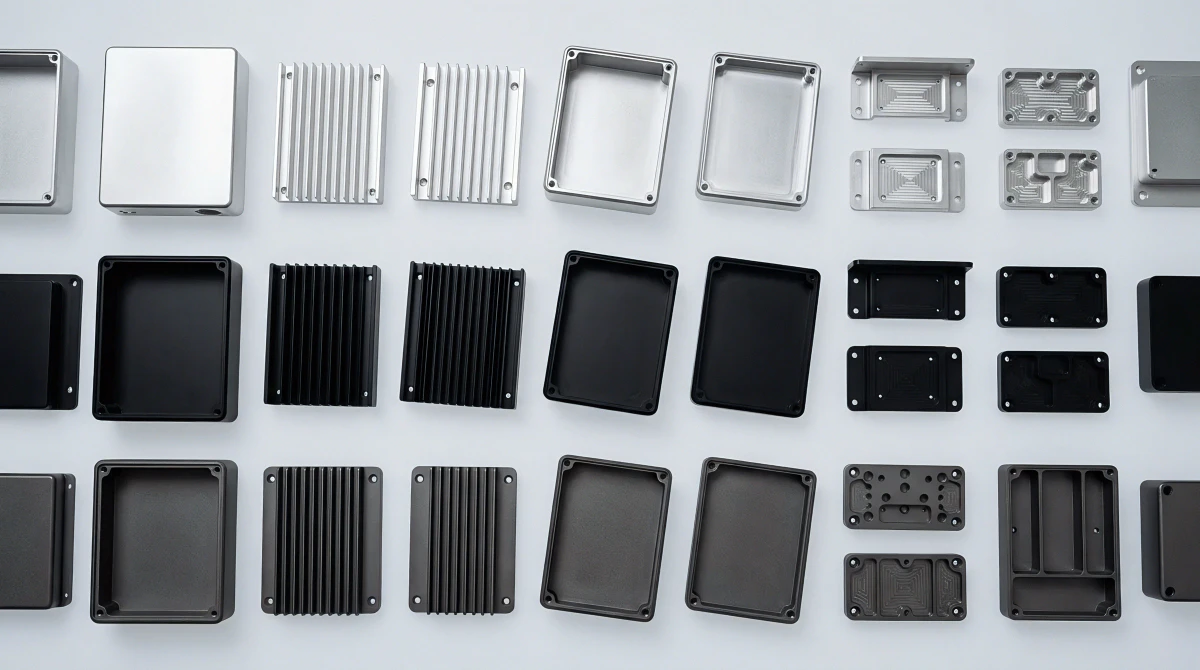
MIL-A-8625 names the bath, color state, weight or thickness and sealing of an anodized coating, and each choice moves the size of a machined part.

What MIL-A-8625 Covers and What the Types MeanRevision F covers six types and two classes of electrolytically formed anodic coatings on aluminum and aluminum alloys for non-architectural uses. The types differ by the bath and the weight of the coating: Type I is conventional chromic acid anodizing, Type IB a low-voltage chromic acid process, Type IC a non-chromic acid process offered as a non-chromate alternative, Type II conventional sulfuric acid anodizing, Type IIB a thin sulfuric acid process that is also a non-chromate alternative, and Type III the hard anodic coating.

ASTM A967 Passivation for Machined Stainless Steel Parts

ASTM A967 names the baths and the lot tests for passivated stainless parts, and the drawing has to name the treatment, test and edition it wants.

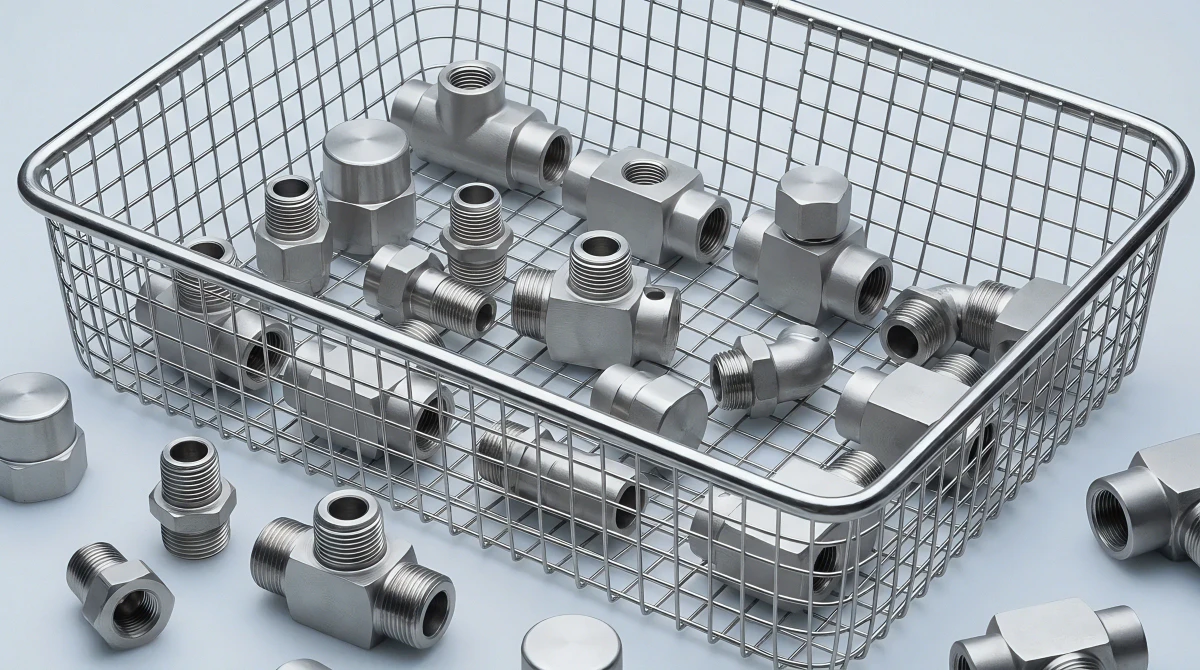
What ASTM A967 Covers and What It Does NotASTM A967/A967M covers chemical passivation treatments for stainless steel parts, along with recommendations and precautions for descaling, cleaning and passivating. The abstract names three families of treatment: immersion in a nitric acid solution, immersion in a citric acid solution, and an electrochemical treatment.

Machining 303 and 316 Stainless Steel

Stainless grade choice for a machined part is a trade between how freely it cuts and how well it resists the environment it works in.

Choosing 303 or 316 for a Machined Stainless PartThe choice sits on one trade. 303 is the free-machining modification of the basic 18 % chromium, 8 % nickel stainless, and it is produced to cut well.

Request a Metal CNC Quote

Send the 2D drawing and the 3D file, with the quantity and the stage of the project. An engineer replies within 1 working day.

The quote form, the mutual NDA and the private folder for your files are on Protolis Atelier, with Metal CNC chosen.

Request a Quote