Meaning
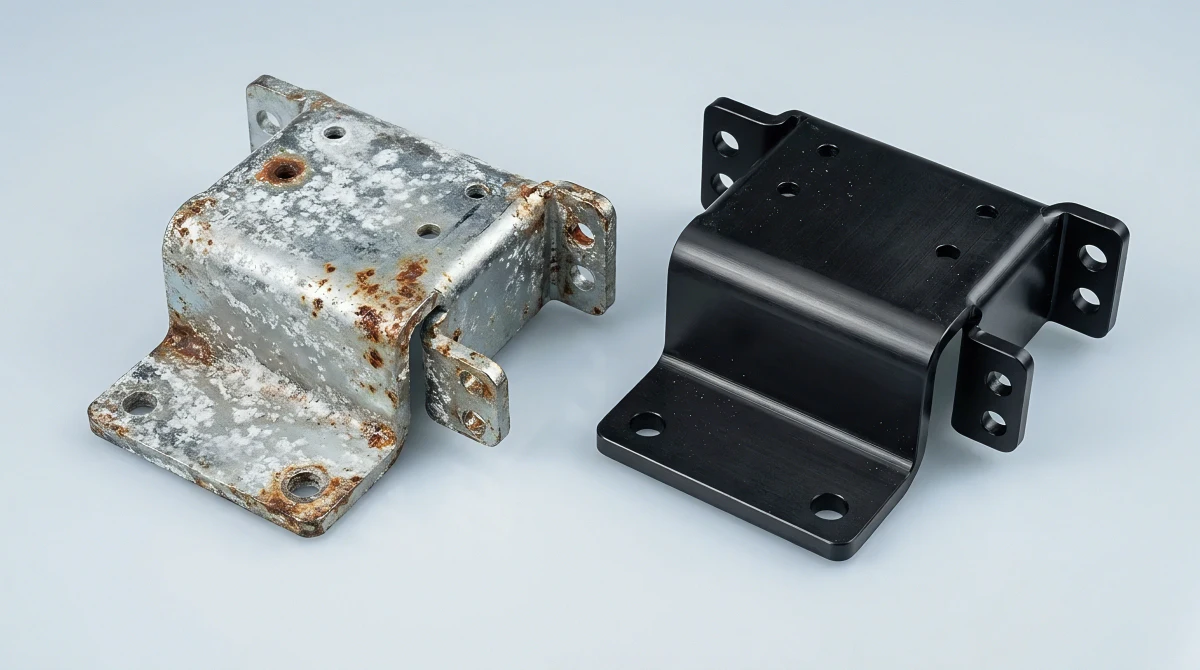
Plating is the deposition of a metal coating, usually by electrolysis, onto a part for corrosion protection, wear or appearance, such as zinc on steel or nickel and chromium on steel or zinc die castings. It is a special process with its own specification, class and certificate.Zinc on Steel
ASTM B633-23 covers electrodeposited zinc on iron and steel. It offers four thickness classes, supplied as plated or with one of five types of supplementary finish, and checks appearance, thickness, adhesion, corrosion resistance and hydrogen embrittlement. Steels above 1700 MPa (247 ksi, 46 HRC) should not be zinc plated under it, Types V and VI provide non-chromate passivates, and fasteners are pointed to ASTM F1941.Read More
Salt Spray Rating
Plated parts are often tested in the ASTM B117 fog, but the reading depends on the coating. ASTM B537 rates decorative cathodic coatings such as nickel and chromium and is not meant for anodic sacrificial coatings such as zinc and cadmium. The hours a zinc-plated part is expected to survive follow from the class and type the order names.On the Drawing
A surface texture symbol can name plating at position c, the process position, as Mitutoyo’s guide shows with chrome plating, and an order then needs to say whether the roughness value applies before or after the coating.Documents
Plating belongs with anodizing, heat treatment and passivation among the special processes a first article report lists on AS9102 Form 2, each with a traceable certification number and, where the customer requires it, an approved processor. Figures quoted from a plating supplier’s summary of a standard, as in the passivation article’s table of ASTM A967 treatments, are confirmed against the current edition before they enter a contract.