Meaning
A data sheet is a maker’s published page of figures for a material or a device, with the conditions under which those figures hold. It describes a product, while a specification binds it. Most figures on a material data sheet are typical values. A figure read without its condition answers a narrower question than it seems to.Typical Figures
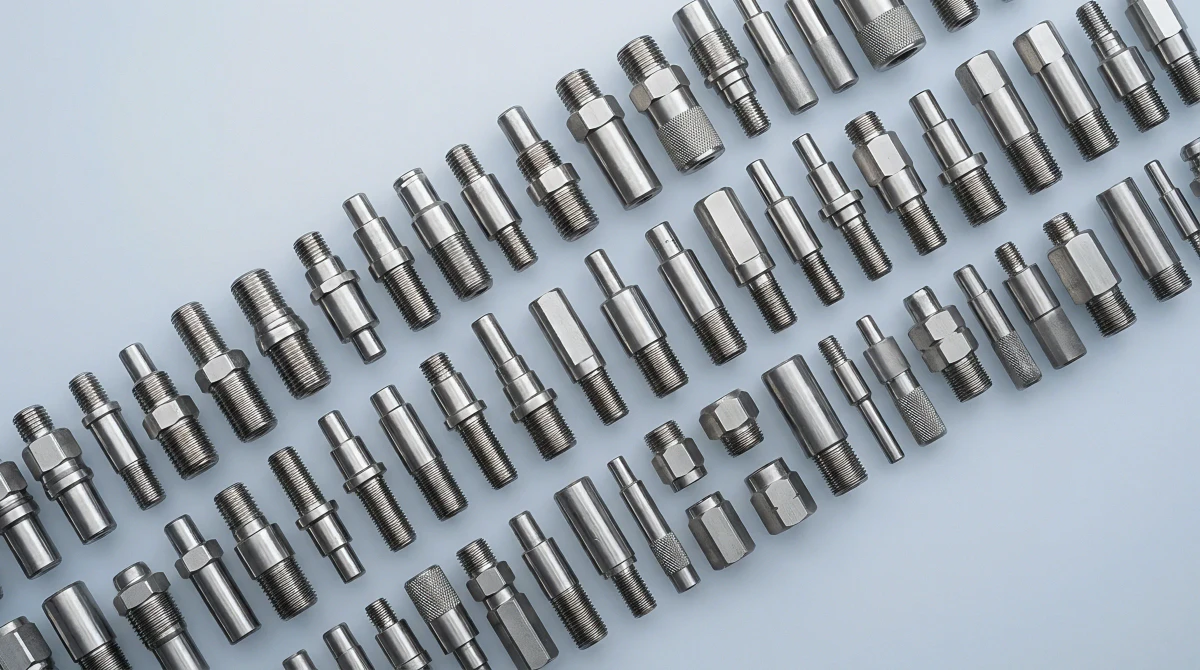
ASM’s aluminum sheets label their Aluminum Association values as typical and not for design. ATI states that its titanium data should not be read as minimum or maximum values for specification or final design. Ugitech prints 517 to 861 MPa (75 to 125 ksi) for 303 bar over 1 in., and Cleveland-Cliffs a typical 627 MPa (91 ksi) for 316 sheet. For 303 it is a typical annealed value, and for 316 it is the ASTM A240 minimum. Two equal numbers on two sheets can therefore be two kinds of number.Read More
Stated Conditions
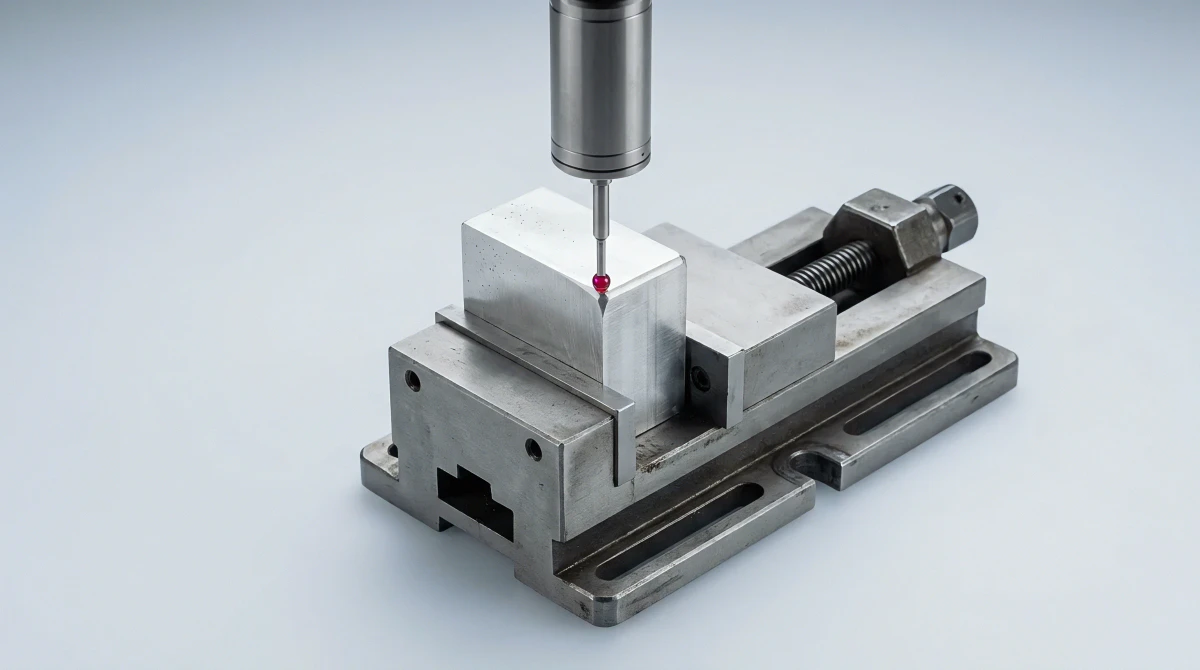
Renishaw’s RMP60 sheet gives a repeatability of 1.00 µm (40 µin) at two standard deviations. A footnote ties it to 480 mm/min (18.9 in/min) and a 50 mm (1.97 in.) stylus. Carpenter’s 303 sheet calls its speeds and feeds starting points, to be developed for each job in small steps. ASM’s machinability rating of 50 for 6061-T6 and 70 for 7075-T6 names no test, tool or speed.Disagreements
Four titanium sources give three service limits for Ti-6Al-4V. Voestalpine puts the practical ceiling near 400 °C (752 °F), and ATI says about 427 °C (800 °F). Density spans 4.42 to 4.47 g/cm³ (0.160 to 0.161 lb/in³) across the sheets. A designer without test data takes the lowest figure.Missing Rows
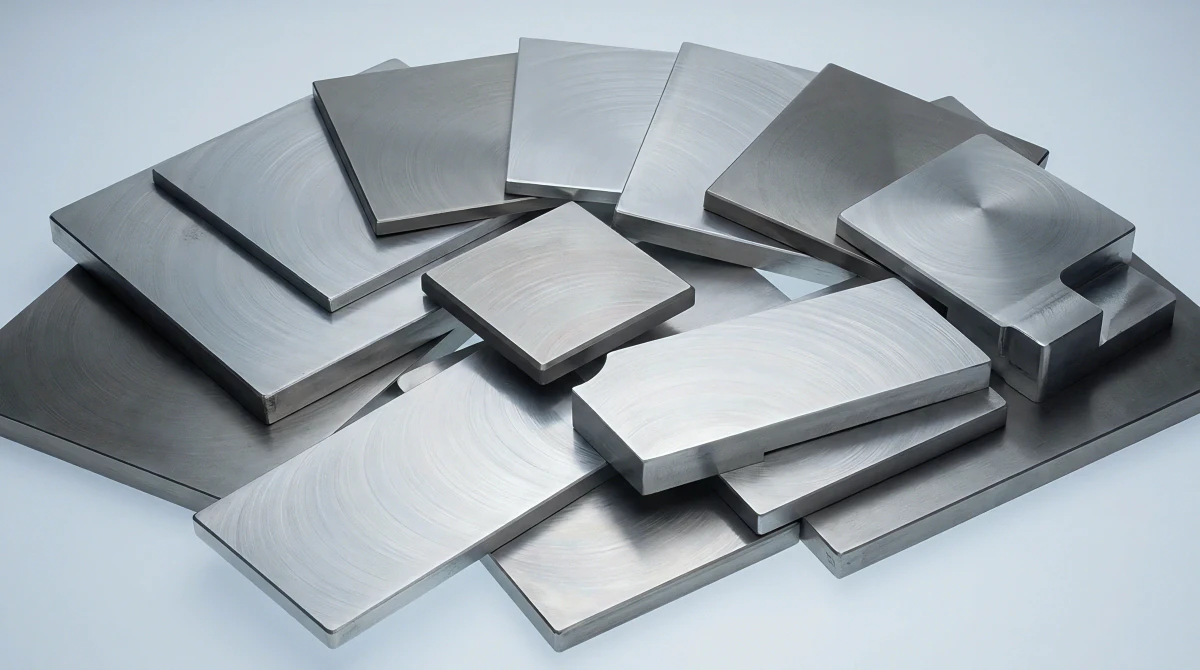
The 6061 sheet carries bearing and notched tensile rows that the 7075 sheet lacks. A missing row is not evidence of a lower figure, and the value has to come from another source. Neither 303 sheet lists a modulus of elasticity. The ASM sheets also print one set of properties under both T6 and T651. The sheet therefore cannot tell a buyer which temper a plate is.