Purchase Order

A purchase order is the buyer's written order to a supplier, and with the drawing it fixes what the supplier has agreed to deliver.

Every Purchase Order article of the Metal CNC Resources, newest first, each written from published standards, research and makers’ data.

Meaning

A purchase order is the buyer’s written order to a supplier, and with the drawing it fixes what the supplier has agreed to deliver. It names quantities and dates, but its technical weight lies in the standards and editions it cites. A property table describes an alloy. A purchase order that names the alloy, temper, product form and specification turns it into a part.

Material Line

The temper designations of aluminum appear on the purchase order. “7075-T6” leaves the supplier free to quote from any T6 stock. “7075-T651” asks for stretched plate. A purchase order for plate has to name which one it means, because the data sheets print both under one set of figures. The order also names the product form and the specification, since a mill certificate guarantees the specification and not the typical values.
Read More

Process Line

ASTM A967 leaves the treatment, the test and the edition open. A purchase order that says “Practice F” means different tests depending on the edition it cites, since the lettering changed between revisions. MIL-A-8625 likewise leaves the type and class to the supplier when the order is silent.

Edition

The MIL-A-8625F text opened for these resources is a 1993 revision with later amendments. A purchase order therefore names the revision it means. The same rule holds for any standard whose tables or test letters change between editions.

Reorder Trigger

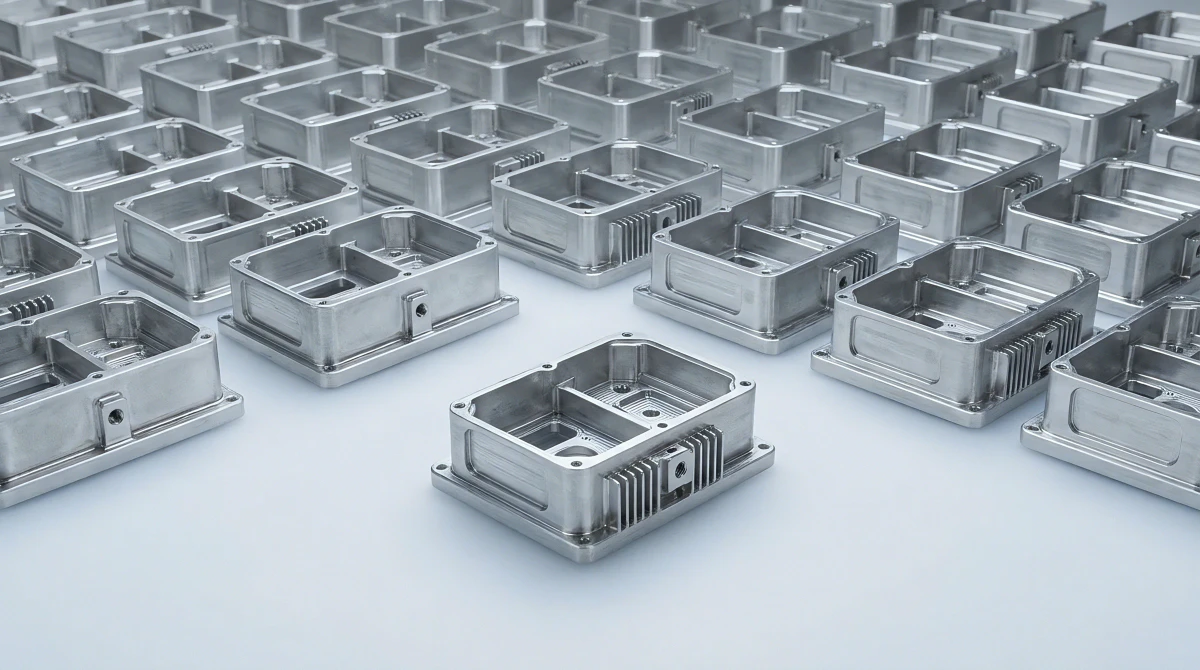
A repeat purchase order for a part last cut three years ago brings a first article inspection again. The Lockheed Martin UK, General Dynamics and GKN guides all set a 2 year lapse in production as a trigger.
Certificates and Documents That Ship With a Machined Metal Lot

Each document proves something different, so the order names the certificate type, the traceability, the process reports and the inspection data it expects.

The Documents That Travel With a Machined Metal LotA lot of machined metal parts usually travels with four kinds of paper, each issued by a different party and each proving something different. Confusing them is the most common reason a file looks complete and is not.

ASTM B117 Salt Spray Testing of Anodized and Plated Machined Parts

B117 sets the fog but not the hours, specimens or pass mark, so the order has to name the coating specification, the rating method and what was tested.

What ASTM B117 Controls and What It Leaves to the OrderASTM B117 is a practice for operating an apparatus. Its scope covers the equipment, the procedure and the conditions needed to create and keep a salt fog environment, and the apparatus it describes sits in an appendix.

First Article Inspection Before a Machined Metal Run

A machined run ships only after its first article report is approved, so plan the first delivery around the report and not around the last part off the machine.

What a First Article Inspection Does Before a Run ShipsLockheed Martin UK's guidebook gives the purpose in three lines. A first article inspection provides objective evidence that all engineering, design, contractual and specification requirements are correctly understood, accounted for, verified and recorded.

Flatness of Machined Metal Plates

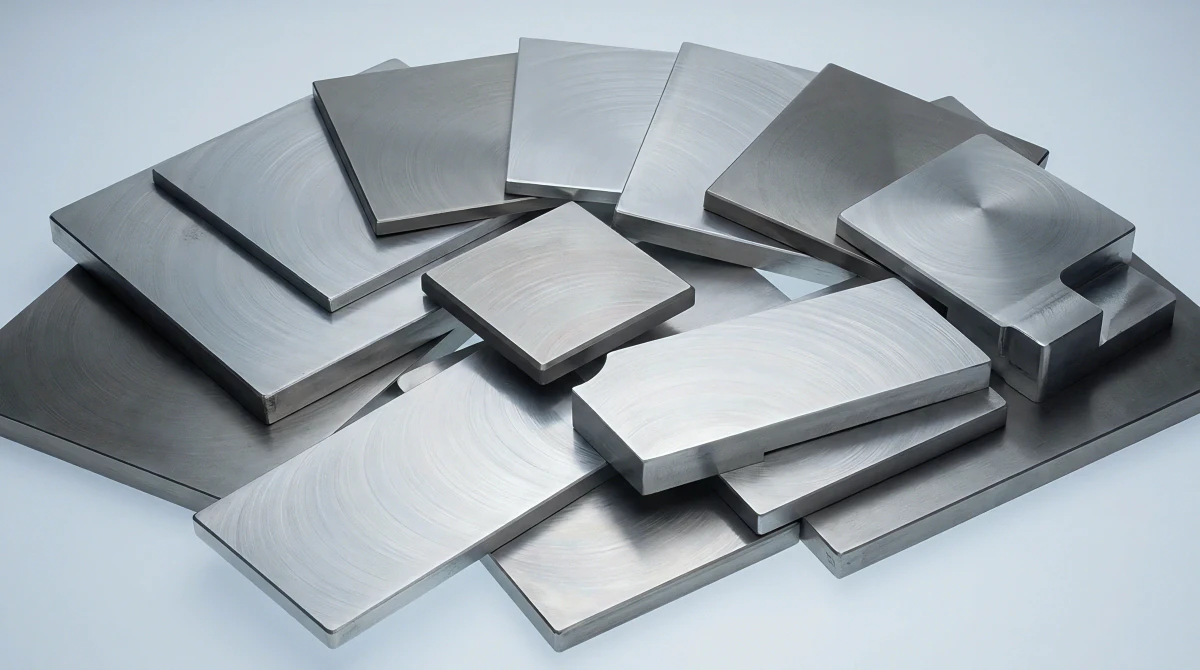
A plate's measured flatness depends on the stress in its stock, its temperature and its support, as well as on the cut that finished it.

What Flatness General Tolerances AllowA machined plate leaves the mill with faces cut flat. Where the drawing gives a face no flatness of its own, ISO 2768-2 sets the tolerance it is held to.

MIL-A-8625 Anodizing Types and Classes for Machined Aluminum

MIL-A-8625 names the bath, color state, weight or thickness and sealing of an anodized coating, and each choice moves the size of a machined part.

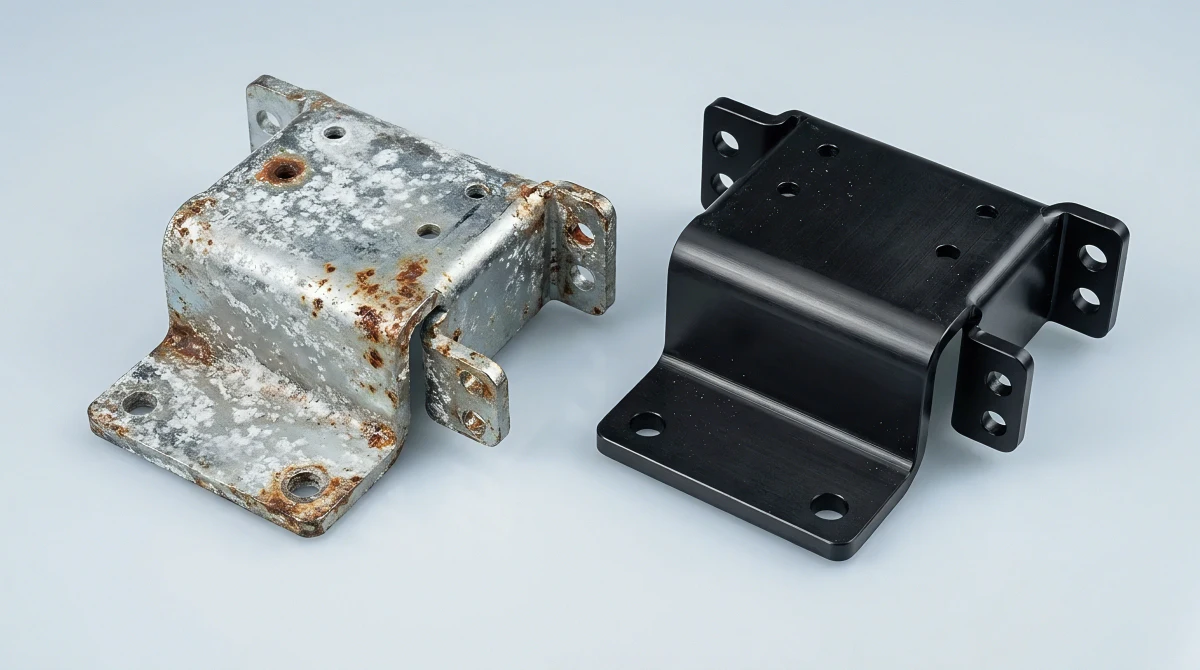
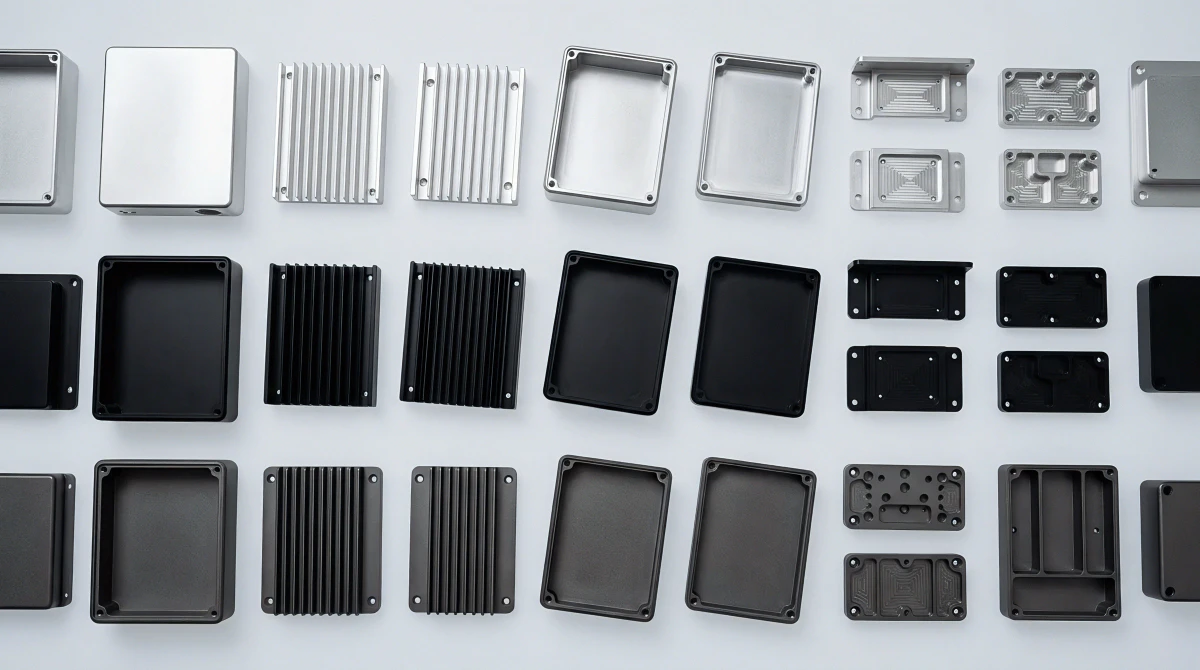
What MIL-A-8625 Covers and What the Types MeanRevision F covers six types and two classes of electrolytically formed anodic coatings on aluminum and aluminum alloys for non-architectural uses. The types differ by the bath and the weight of the coating: Type I is conventional chromic acid anodizing, Type IB a low-voltage chromic acid process, Type IC a non-chromic acid process offered as a non-chromate alternative, Type II conventional sulfuric acid anodizing, Type IIB a thin sulfuric acid process that is also a non-chromate alternative, and Type III the hard anodic coating.

ASTM A967 Passivation for Machined Stainless Steel Parts

ASTM A967 names the baths and the lot tests for passivated stainless parts, and the drawing has to name the treatment, test and edition it wants.

What ASTM A967 Covers and What It Does NotASTM A967/A967M covers chemical passivation treatments for stainless steel parts, along with recommendations and precautions for descaling, cleaning and passivating. The abstract names three families of treatment: immersion in a nitric acid solution, immersion in a citric acid solution, and an electrochemical treatment.

Request a Metal CNC Quote

Send the 2D drawing and the 3D file, with the quantity and the stage of the project. An engineer replies within 1 working day.

The quote form, the mutual NDA and the private folder for your files are on Protolis Atelier, with Metal CNC chosen.

Request a Quote