Meaning
A temper is the code after an aluminum alloy’s name, such as T6 or T651, that states how the metal was treated and worked. The data sheet’s strength belongs to the temper, not to the alloy alone. A temper written in full on the drawing also says how much stress the stock still holds.Common Codes
An aluminum temper chart defines T6 as heat treated and artificially aged, for any wrought product. T651 adds stretching to relieve stress, equivalent to T6 in properties, for plate and rolled bar. Extruded rod, bar and shapes take T6511, the same treatment with minor straightening. T7351 is overaged for better resistance to stress-corrosion cracking in 7075 sheet and plate. For chip form, ASM prefers the T8 and T9 tempers of 6061 over T6.Read More
Effect on Flatness
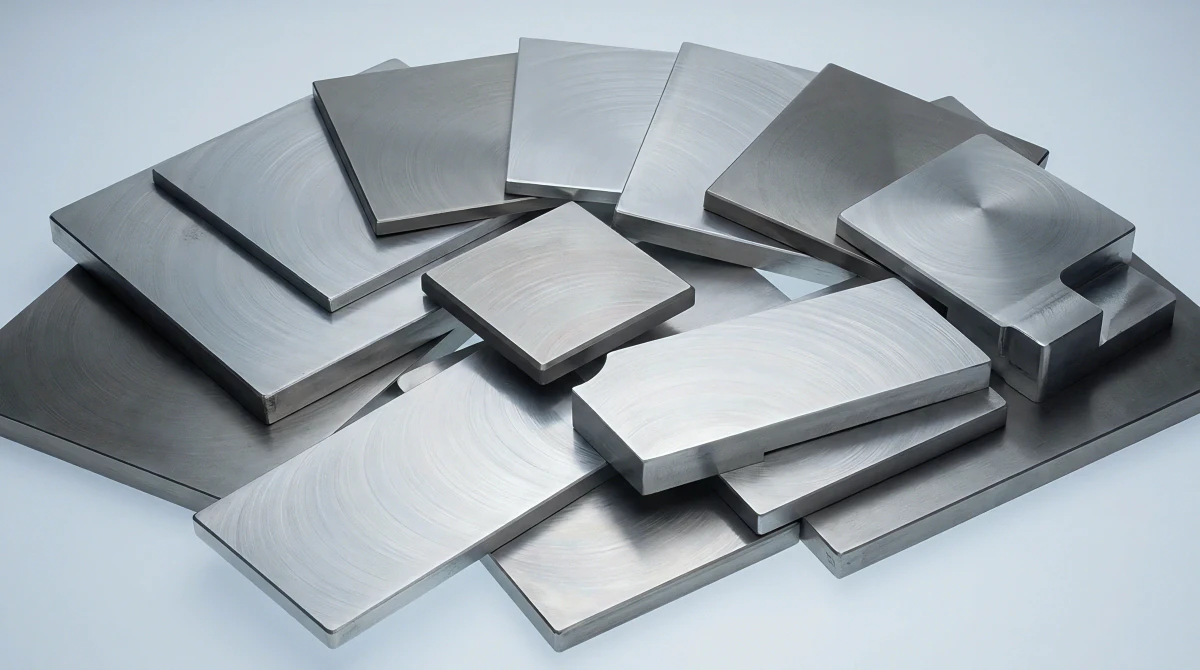
A pocket cut into quenched plate releases its stress unevenly and moves the plate. Stretching to T651 lowers that risk without removing it, as an ASM-abstracted paper on 7075 reports. A buyer whose flat part comes back bowed asks first which temper the plate was. “7075-T6” on a plate-cut part accepts any T6 stock, while “7075-T651” asks for stretched plate.Effect on Burrs
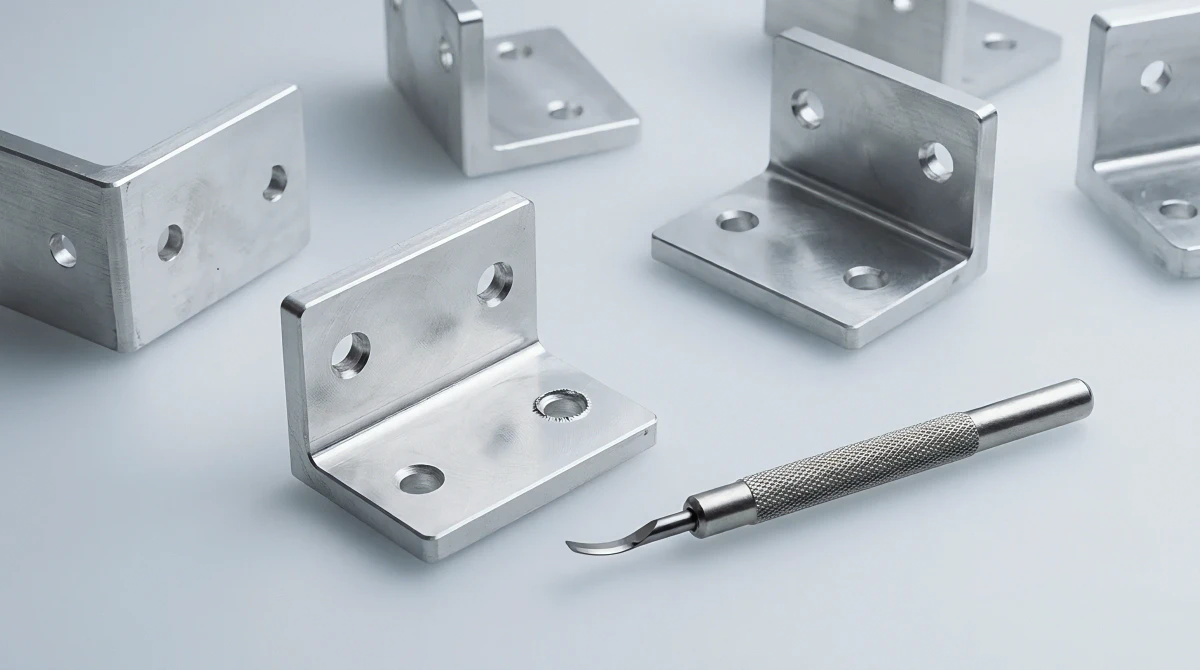
In the burr review’s A356 case study, five conditions of one alloy were drilled the same way. The peak-aged T61 condition gave the smallest burrs, and the soft T0 and T4 conditions the largest. The temper a supplier receives is therefore a deburring decision as well.Rule Before Anodizing
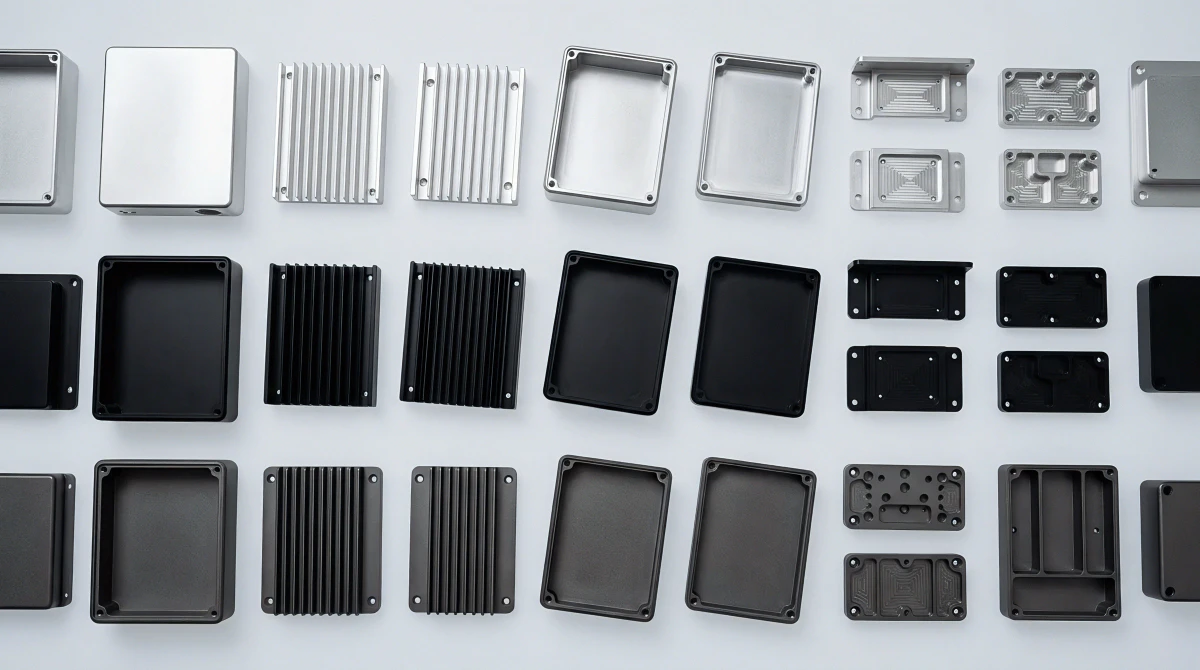
MIL-A-8625 requires heat treatable alloys to be in their required temper, such as T4, T6 or T73, before anodizing. The T6 designation is the mill’s result, and a machine shop neither adds nor removes it.