Cleaning

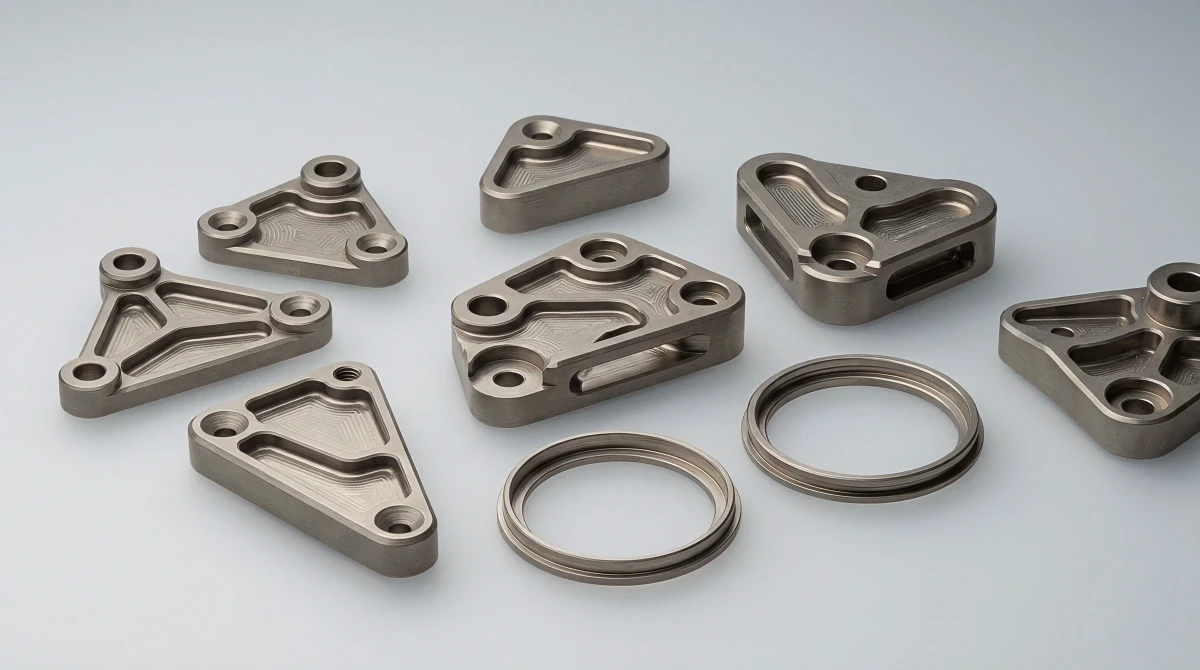
Cleaning removes cutting fluid, chips, scale and other contaminants from a machined part before a chemical bath, a furnace or assembly.

Every Cleaning article of the Metal CNC Resources, newest first, each written from published standards, research and makers’ data.

Meaning

Cleaning removes cutting fluid, chips, scale and other contaminants from a machined part before a chemical bath, a furnace or assembly. It decides whether the next step works at all. A film of coolant keeps a passivating acid off the metal, and a fingerprint can carry chlorine into a titanium furnace.

Before Passivation

ASTM A967 includes recommendations for descaling and cleaning, and it refers to ASTM A380 for them in detail. A typical order of work has four steps. Oil and coolant come off first, then scale and heat tint. The part is rinsed and dried, then passivated and rinsed again. A plating supplier’s summary of the 2013 revision limits the final rinse water to 200 ppm total solids, or 200 mg per liter.
Read More

Stainless Surface

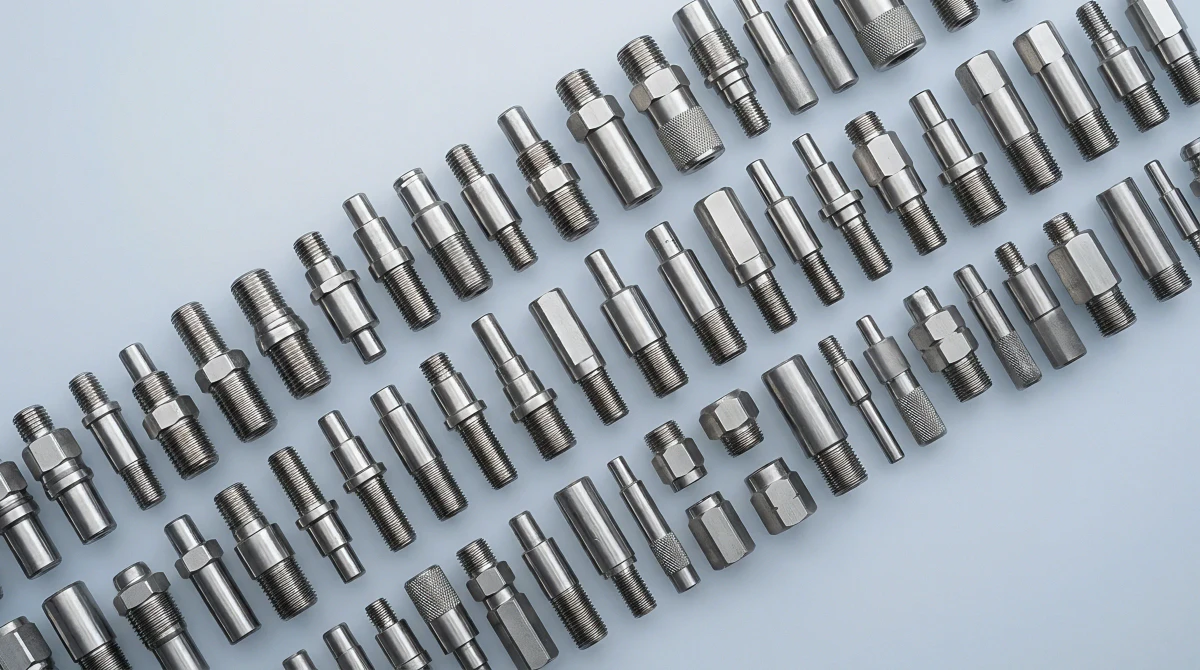
Carpenter’s 303 sheet states that surfaces must be free of scale, lubricants, foreign particles and drawing compounds for the best corrosion resistance. It adds that cleaning or passivation should be considered after parts are made. A stainless part leaves the machine with lubricant and iron on its surface.

Before a Furnace

ATI warns that Ti-6Al-4V can pick up hydrogen during improper pickling. Chlorine salts left on stressed titanium parts can cause stress corrosion cracking when the parts are later heated, which is why ATI asks for non-chlorinated cutting fluid. A machined titanium part is therefore cleaned, fingerprints included, before stress relief or aging. ATI warns that improper pickling can add hydrogen to the alloy, so an etching or pickling step is a decision the drawing makes. ATI adds that oxygen, nitrogen and carbon picked up during heat treating can reduce ductility. Zapp anneals the alloy under inert gas or in a vacuum for that reason.

Surface Roughness Ra by Machining Operation From Roughing to Grinding

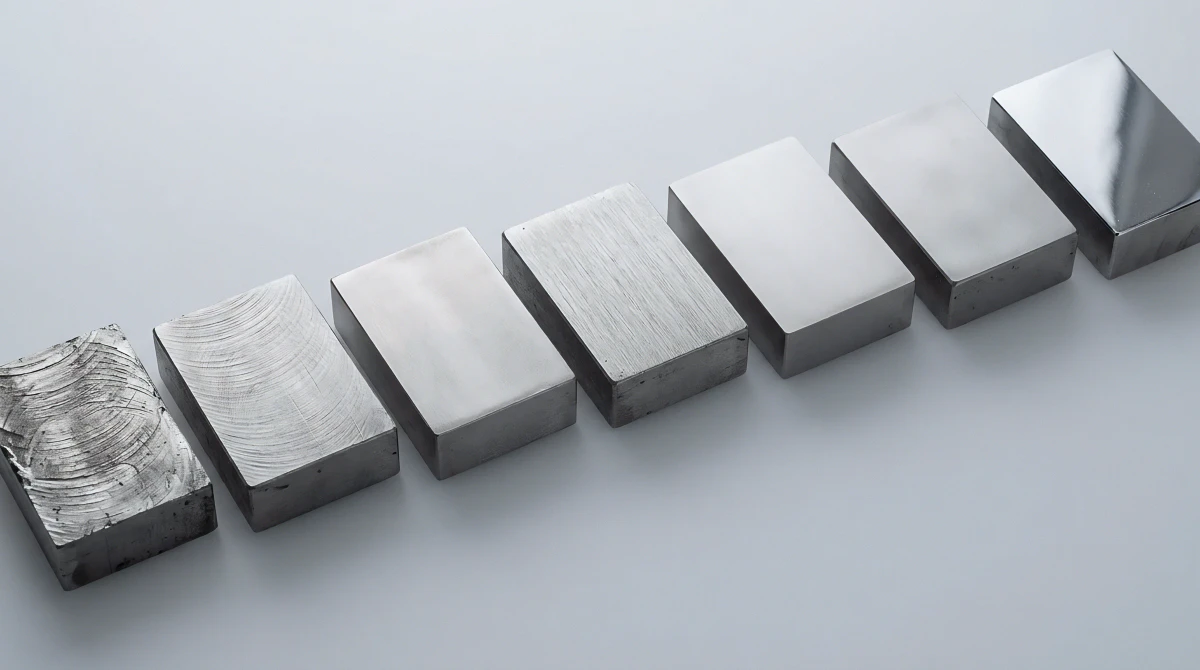
The feed and nose radius of the last pass set the finish, so pick the process from the Ra band and measure with the cutoff the profile calls for.

Typical Ra From Turning, Milling and GrindingEach process leaves its own range. Keyence, a maker of roughness and profile instruments, publishes typical Ra values for finishing operations and stresses that real results depend on material, tooling and parameters.
How Setup Time Sets the Lot Size of a Machined Run

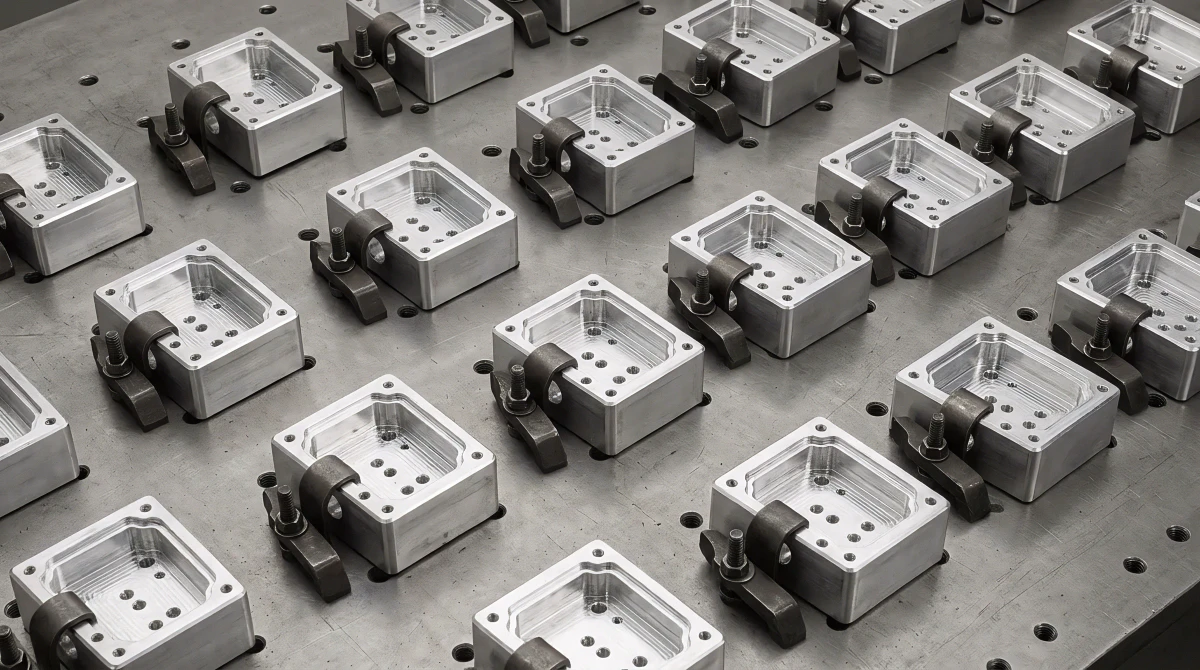
Setup is paid once per lot, so in lots of five to twenty parts the changeover sets the calendar and lot size decides how many parts share it.

What a Setup Contains Before the First Good PartThe study names nine groups of activity that the changeover consisted of, in the order they were done. Removing the fixture from the previous job came first, then study of the clamping sheet and the drawing, cleaning the machine, clamping the new fixture, positioning the zero point, measuring the tools, clamping the tools into the magazine, producing the first piece, and inspecting it.

ASTM A967 Passivation for Machined Stainless Steel Parts

ASTM A967 names the baths and the lot tests for passivated stainless parts, and the drawing has to name the treatment, test and edition it wants.

What ASTM A967 Covers and What It Does NotASTM A967/A967M covers chemical passivation treatments for stainless steel parts, along with recommendations and precautions for descaling, cleaning and passivating. The abstract names three families of treatment: immersion in a nitric acid solution, immersion in a citric acid solution, and an electrochemical treatment.

Machining Ti-6Al-4V Grade 5 Titanium

Titanium cuts slowly because it holds heat at the tool and flexes under load, and its condition and cleanliness after the cut matter as much as the cutting data.

Ti-6Al-4V Grade 5 as a Machined MaterialGrade 5 is a two-phase alpha plus beta titanium alloy, with aluminum as the alpha stabilizer and vanadium as the beta stabilizer, and ATI calls it the most widely used titanium grade. The ASTM B348 composition limits for bar, printed by voestalpine, are 5.50 to 6.75 % aluminum, 3.50 to 4.50 % vanadium, 0.20 % oxygen at most, 0.40 % iron at most, 0.08 % carbon at most, 0.05 % nitrogen at most, 0.015 % hydrogen at most, and 0.10 % for any other element, 0.40 % in total.

Machining 303 and 316 Stainless Steel

Stainless grade choice for a machined part is a trade between how freely it cuts and how well it resists the environment it works in.

Choosing 303 or 316 for a Machined Stainless PartThe choice sits on one trade. 303 is the free-machining modification of the basic 18 % chromium, 8 % nickel stainless, and it is produced to cut well.

Request a Metal CNC Quote

Send the 2D drawing and the 3D file, with the quantity and the stage of the project. An engineer replies within 1 working day.

The quote form, the mutual NDA and the private folder for your files are on Protolis Atelier, with Metal CNC chosen.

Request a Quote