Certificate

A certificate is a signed document that states what a lot of material or parts is, or what it passed, against a named specification.

Every Certificate article of the Metal CNC Resources, newest first, each written from published standards, research and makers’ data.

Meaning

A certificate is a signed document that states what a lot of material or parts is, or what it passed, against a named specification. It is the paper that travels with the metal. What it guarantees is only what it states, and typical values from a data sheet are not among them. A certificate that names the specification, the edition and the lot can be checked later, while a bare statement of compliance cannot.

Mill Record

A mill certificate for plate or bar states the alloy, the temper and the lot. It ties that lot to the specification the material was bought to, such as ASTM A582 for 303 bar or ASTM A240 for 316L plate. Directional properties and the elongation of a thick section stay open until a test on that lot closes them. For aged titanium, the certificate of the lot is the only place that says how much softer a large block came out. Grade 23 ELI titanium is a cleaner chemistry to request on the certificate.
Read More

Conformance Statement

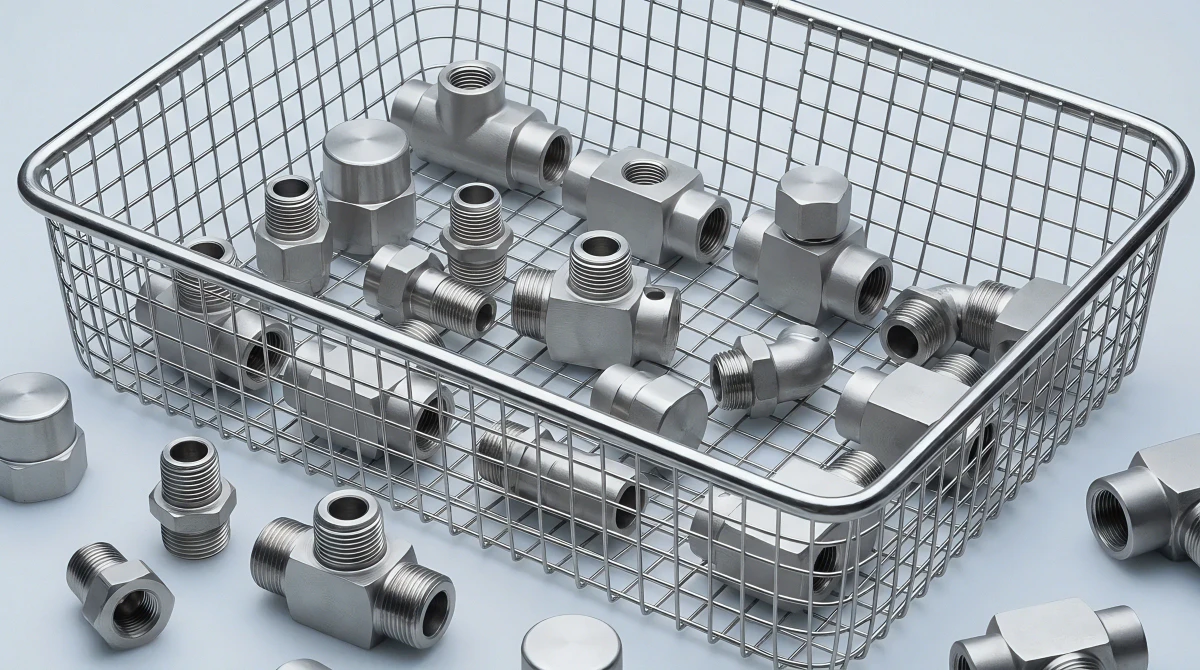
A certificate of conformance states that a lot meets the order. For passivation under ASTM A967, the useful version carries the lot number and names the practice and the result. One that states only that the lot passed says less. An anodizer’s certificate quotes numbers such as thickness, while a passivator’s certificate reports a pass on a qualitative test.

First Article Package

General Dynamics OTS lists a certificate of conformance, all material certifications and all special process certifications in each first article report. GKN Aerospace asks for copies of the original mill certifications and accepts no material substitution without the buyer’s approval. Lockheed Martin UK counts missing certificates and the wrong material alloy among the errors that get a report rejected.

Calibration Record

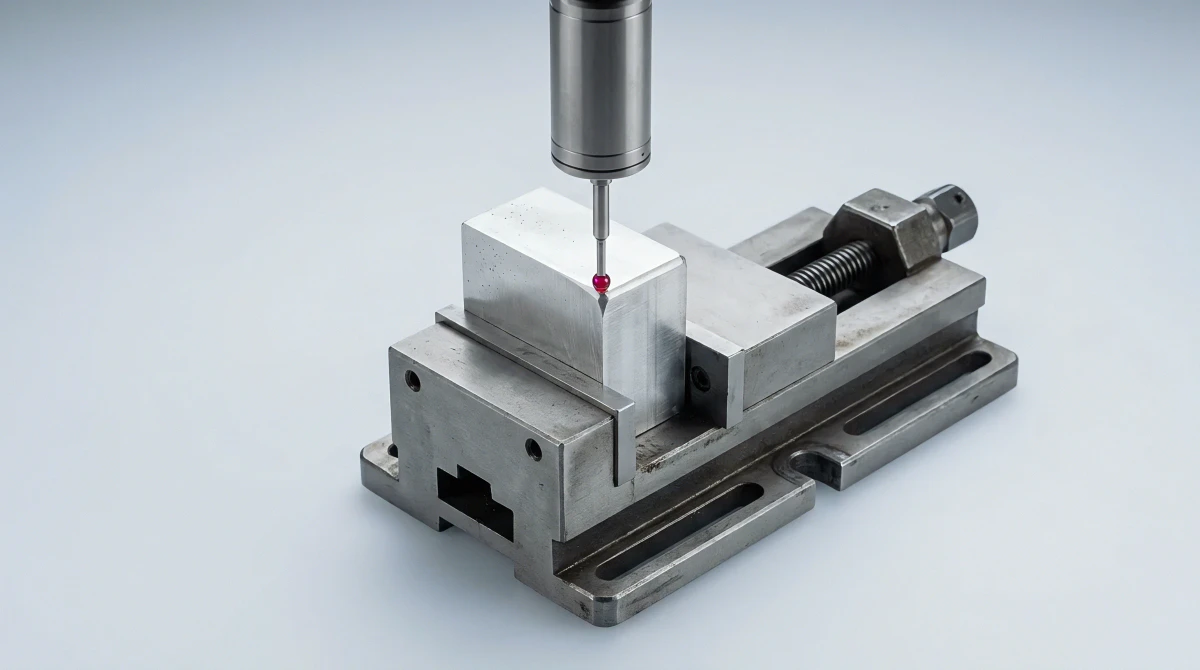
A certificate also stands behind the instruments. A machine probe stores its ball radius from a ring gauge of known diameter. A record of that ring gauge’s certificate ties every probed size to something outside the machine.

Certificates and Documents That Ship With a Machined Metal Lot

Each document proves something different, so the order names the certificate type, the traceability, the process reports and the inspection data it expects.

The Documents That Travel With a Machined Metal LotA lot of machined metal parts usually travels with four kinds of paper, each issued by a different party and each proving something different. Confusing them is the most common reason a file looks complete and is not.
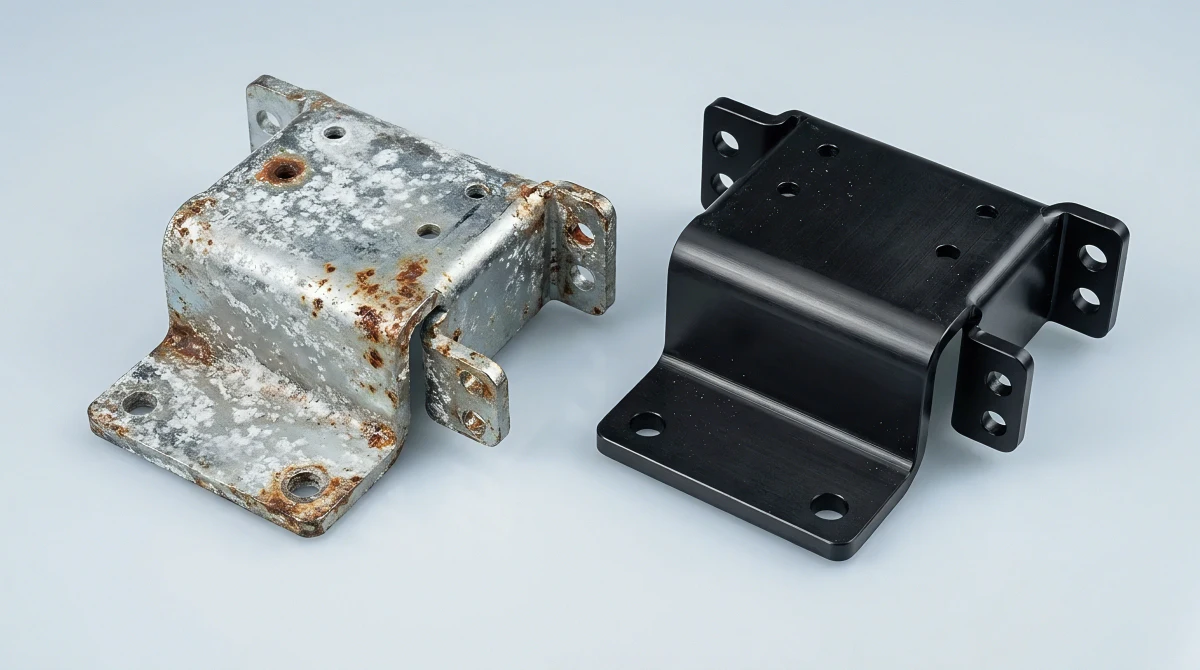
ASTM B117 Salt Spray Testing of Anodized and Plated Machined Parts

B117 sets the fog but not the hours, specimens or pass mark, so the order has to name the coating specification, the rating method and what was tested.

What ASTM B117 Controls and What It Leaves to the OrderASTM B117 is a practice for operating an apparatus. Its scope covers the equipment, the procedure and the conditions needed to create and keep a salt fog environment, and the apparatus it describes sits in an appendix.

Machining C36000 Free-Cutting Brass for Turned Parts

C36000 cuts so freely that spindle speed, chip control and finish usually set the cycle, so name the temper, the specification and any later joining on the order.

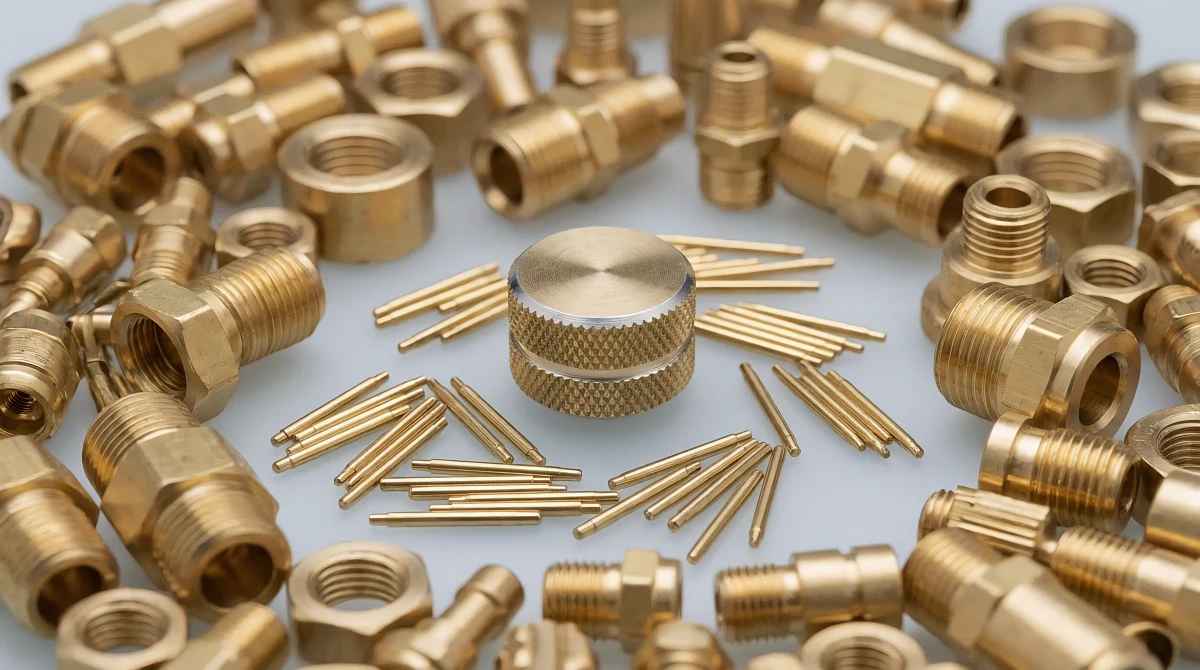
What Makes C36000 the Reference Brass for Turned PartsC36000 is a leaded copper-zinc alloy built to be cut. The Copper Development Association's data page gives its composition as 60.0 to 63.0 % copper, 2.5 to 3.0 % lead, iron at 0.35 % maximum and zinc as the remainder, with copper plus the named elements at 99.5 % minimum.

Machining 1045 and 4140 Carbon and Alloy Steel

The hardness and condition on the bar certificate set the speed, depth of cut and power for 1045 and 4140, so put the range on the order.

How 1045 and 4140 Differ Before the First CutThe two grades share a carbon level and little else. FM Carbide's technical reference gives 1045 as a plain medium-carbon steel of 0.43 to 0.50 % carbon and 0.60 to 0.90 % manganese, with phosphorus at 0.04 % and sulfur at 0.05 % maximum, and no deliberate chromium, molybdenum or nickel.

First Article Inspection Before a Machined Metal Run

A machined run ships only after its first article report is approved, so plan the first delivery around the report and not around the last part off the machine.

What a First Article Inspection Does Before a Run ShipsLockheed Martin UK's guidebook gives the purpose in three lines. A first article inspection provides objective evidence that all engineering, design, contractual and specification requirements are correctly understood, accounted for, verified and recorded.

Setting Work Offsets With a Touch Probe Inside the Machine

A probe writes the part's datum into the work offset, so its calibration, its limits and its re-probe points decide how far the first parts can be trusted.

How a Probe Sets a Work Offset Before the First CutThe sequence on a machining center runs the same way for most parts. A probe is loaded in the spindle like a tool, and the control treats it as one.

ASTM A967 Passivation for Machined Stainless Steel Parts

ASTM A967 names the baths and the lot tests for passivated stainless parts, and the drawing has to name the treatment, test and edition it wants.

What ASTM A967 Covers and What It Does NotASTM A967/A967M covers chemical passivation treatments for stainless steel parts, along with recommendations and precautions for descaling, cleaning and passivating. The abstract names three families of treatment: immersion in a nitric acid solution, immersion in a citric acid solution, and an electrochemical treatment.

Machining Ti-6Al-4V Grade 5 Titanium

Titanium cuts slowly because it holds heat at the tool and flexes under load, and its condition and cleanliness after the cut matter as much as the cutting data.

Ti-6Al-4V Grade 5 as a Machined MaterialGrade 5 is a two-phase alpha plus beta titanium alloy, with aluminum as the alpha stabilizer and vanadium as the beta stabilizer, and ATI calls it the most widely used titanium grade. The ASTM B348 composition limits for bar, printed by voestalpine, are 5.50 to 6.75 % aluminum, 3.50 to 4.50 % vanadium, 0.20 % oxygen at most, 0.40 % iron at most, 0.08 % carbon at most, 0.05 % nitrogen at most, 0.015 % hydrogen at most, and 0.10 % for any other element, 0.40 % in total.

Machining 303 and 316 Stainless Steel

Stainless grade choice for a machined part is a trade between how freely it cuts and how well it resists the environment it works in.

Choosing 303 or 316 for a Machined Stainless PartThe choice sits on one trade. 303 is the free-machining modification of the basic 18 % chromium, 8 % nickel stainless, and it is produced to cut well.

Request a Metal CNC Quote

Send the 2D drawing and the 3D file, with the quantity and the stage of the project. An engineer replies within 1 working day.

The quote form, the mutual NDA and the private folder for your files are on Protolis Atelier, with Metal CNC chosen.

Request a Quote